FEB 24, 2026
MARCH 17, 2026
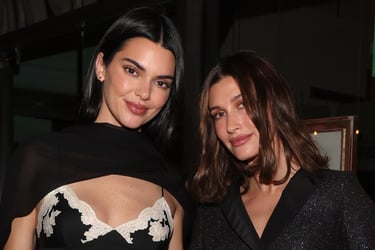
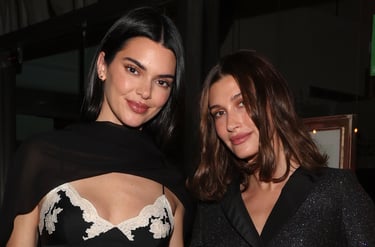
A few weeks ago, at a Dior event in Los Angeles, Kendall Jenner walked into a room wearing a black outfit with a long, sheer scarf draped around her shoulders. Fashion magazines described it as elegant, minimal, very Dior. Timeless. When I saw that image, I kept thinking about something very simple: When did the dupatta become luxury fashion?
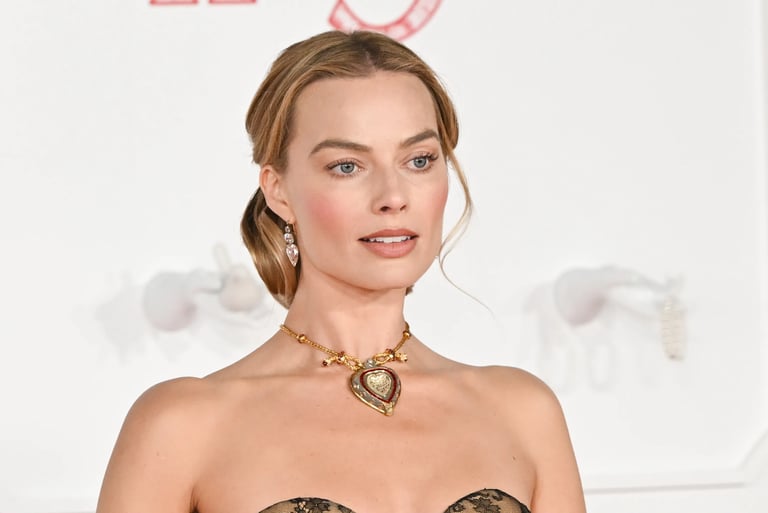
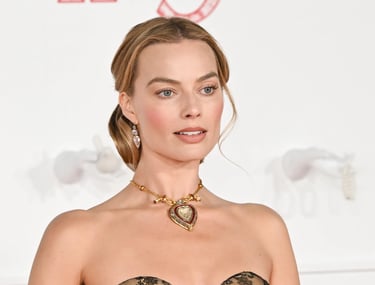
This is not about Margot Robbie or Hollywood alone. It is about how global culture continues to manage meaning, authority, and recognition. The Taj Mahal Diamond becomes wearable history only when stripped of the sovereignty of its creator. By centering Elizabeth Taylor and sidelining Noor Jahan, a centuries-old pattern repeats: South Asian women are acknowledged as sources, not as subjects with agency.

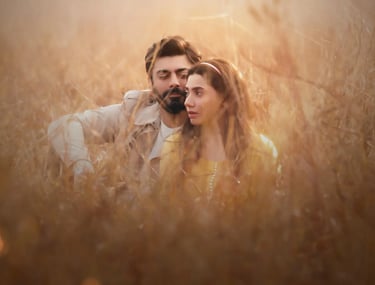
Neelofar, Cinema, and the Male Gaze
This is not another Neelofar review. Instead, it’s an exploration of how Pakistani cinema—and entertainment more broadly—frames women, desire, and agency through a lens that is strikingly similar to Hollywood and Bollywood.
FEB 18, 2026




What Happens When We Pit Women Against Each Other?
DEC 30, 2025
In South Asian households, the mother-in-law vs daughter-in-law narrative is a story we see repeatedly—but why does it persist? To understand this, we need to look at the broader family dynamics and the social conditioning that shapes women’s roles over generations.


DEC 23, 2025
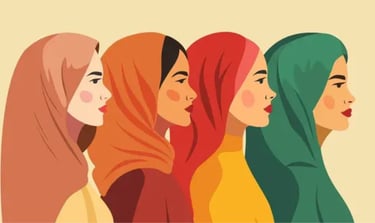
This is not about justifying controlling or abusive behavior. It’s about understanding how patriarchy reproduces itself across generations, subtly shaping relationships, expectations, and social norms.
AUG 12, 2025
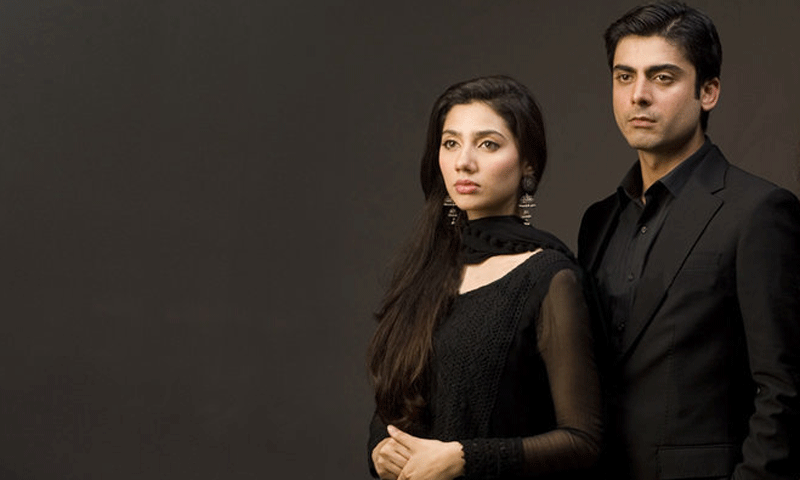
Why is it that every time I start watching a new Pakistani drama, the female lead is a fair-skinned, petite, baby-faced girl, while the male lead is someone I grew up watching, and still maintains the same role, only now in his 40s or 50s?

JULY 22, 2022
The article critiques the portrayal of romantic relationships in Pakistani dramas, using Mann Mast Malang as a case study. The drama depicts Kabir, a violent and controlling man, and Riya, a young woman caught in a cycle of trauma and power imbalance.
SEPT 22, 2022
I once watched a video clip of Indian actor Vidya Balan being asked if she planned to lose weight for women-centric films. She was baffled by the connection between her weight and her work, stating she was comfortable in her body and wishing audiences would rethink how they evaluate appearances.
SEPT 10, 2022
I was scrolling through Instagram recently when I came across a young woman my age discussing how she had been targeted for her skin color. She was interviewed by Fuchsia magazine after her role in a popular 2022 drama series. Googling her name, I found Janice Tessa, the Pakistani actor who played Zoya in the serial HABS.
SEPT 16, 2022
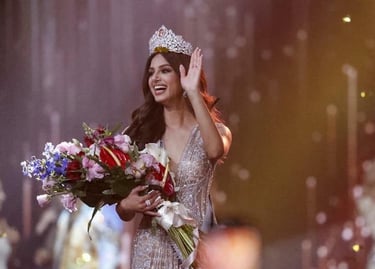
In 2021, Harnaaz Sandhu from Punjab, India, was crowned Miss Universe. Before her, India had two titleholders: Lara Dutta in 2000 and Sushmita Sen in 1994, both of whom went on to pursue acting careers. During an appearance on The Daily Show with Trevor Noah, Harnaaz used her rising platform to discuss menstrual equity, a cause deeply informed by her mother, a gynecologist.
About Dear Body
A research-driven cultural platform exploring body politics, culture, and society.
This platform is committed to research-driven, thoughtful writing that illuminates body politics, culture, and society. Each essay and conversation blends careful analysis with reflective storytelling, grounded in evidence, cultural observation, and lived experience. The platform is independent, and all work is authored and curated by Sarosh Ibrahim and does not represent any institution or external viewpoint.
© 2025. All rights reserved.
A platform exploring body politics, culture, and identity in Pakistan and beyond.