
Ab Gora Hoga Pakistan
The Obsession with Fairness in Media and Society
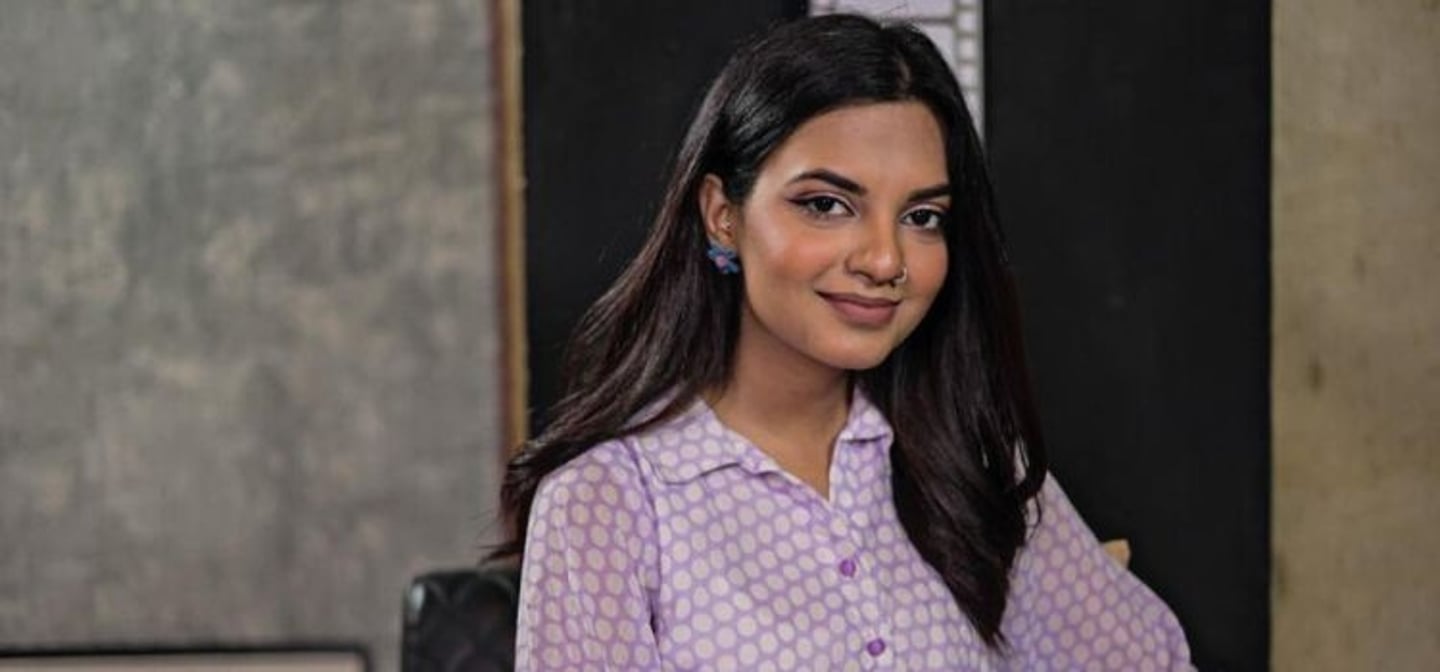

I was scrolling through Instagram recently when I came across a young woman my age discussing how she had been targeted for her skin color. She was interviewed by Fuchsia magazine after her role in a popular 2022 drama series. Googling her name, I found Janice Tessa, the Pakistani actor who played Zoya in the serial HABS.
Her experience was striking. Instead of critiques of her dialogue delivery, expressions, or acting skills, people focused on her skin tone, labeling her kaali, dark, and “unfit” for the screen. For a Pakistani woman, it often comes down to skin color first, talent second.
The Cultural Obsession with Fair Skin
Why is there such a fixation on fairness in Pakistan? Why do words like “beautiful” or “pretty” get equated with fair skin? Are Mahira Khan or Ayeza Khan the only “acceptable” faces on screen because of their complexion? These biases aren’t just accidental—they’re deeply rooted in advertising, media, and popular culture.
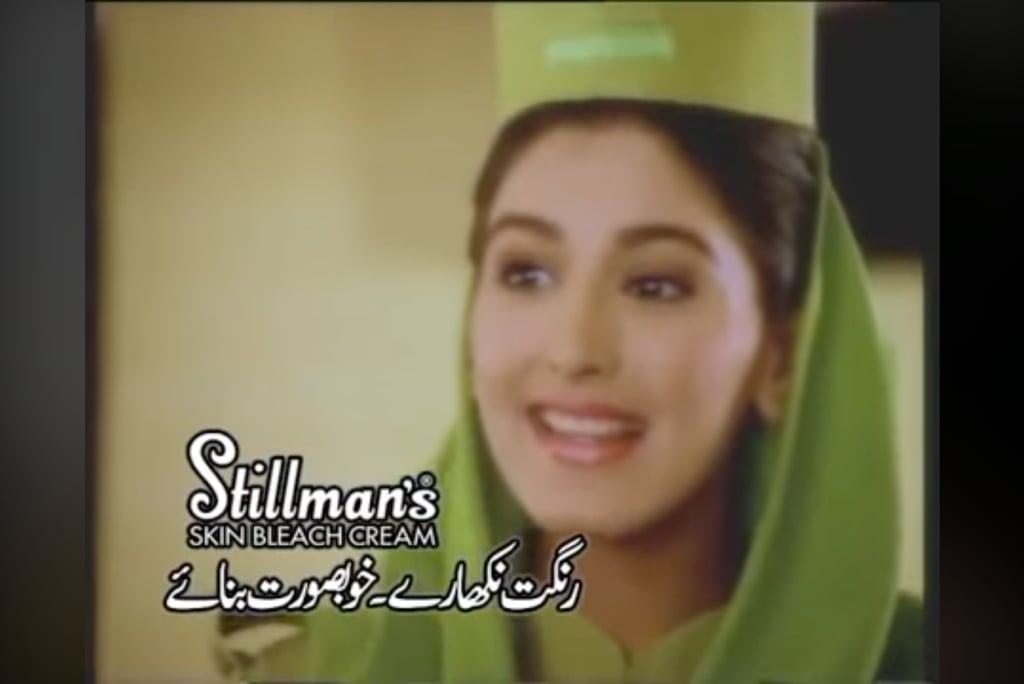
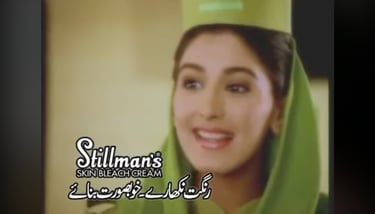
Take advertising as an example. Historically, brands in Pakistan have profited from women’s insecurities around skin color. PTV, Pakistan’s largest media organization, aired ads for skin-lightening creams like Stillman’s (“Rangat Nikharay, Khubsurat Banaye”) and Tibet Snow Cream, linking fairness with desirability, youth, and marriageability. These campaigns subtly reinforced the idea that a woman’s social and professional worth depended on her skin tone.
A skin specialist told Dawn about the damage caused by these creams: steroids in lightening products can lead to acne, facial hair, and epidermal thinning, leaving skin vulnerable to UV damage. Yet advertisements ignored these consequences to sell the ideal of fairness.


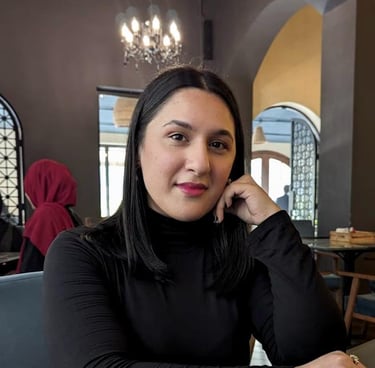
Sarosh Ibrahim
Researcher
Sept 10, 2022
Janice Tessa for Fuchsia Magazine
Branding, Media, and the Ideal Female Image
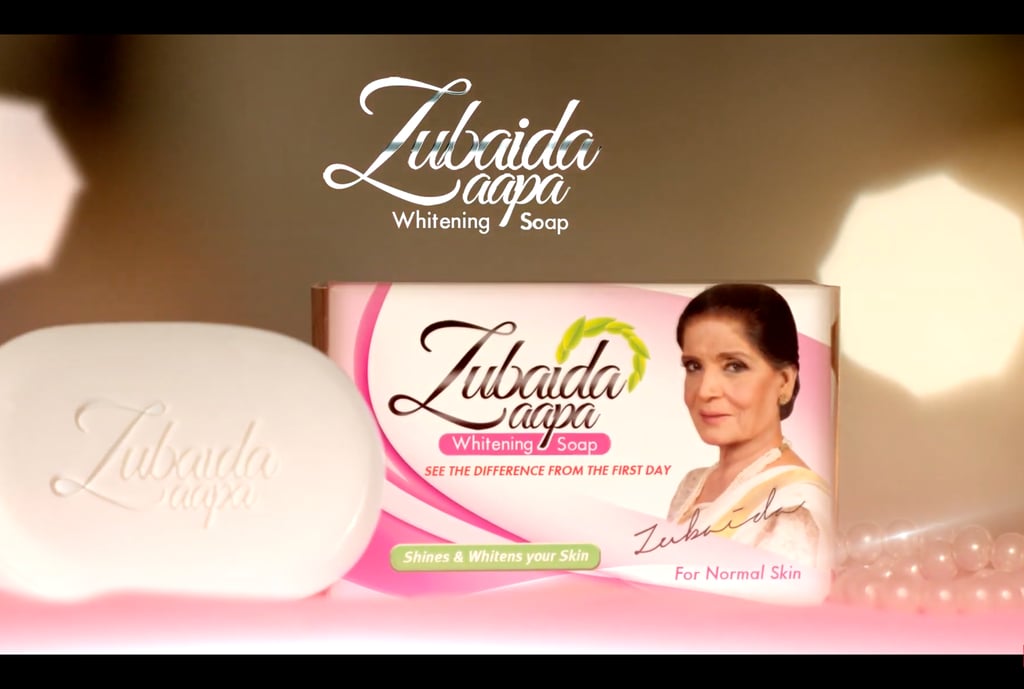
Brands like Ponds, Fair & Lovely, and Tibet have built long-standing cultural influence by promoting whiteness as an ideal. Zubaida Tariq, the late cooking expert turned public figure, became a household brand by linking her image to skin whitening—famously claiming, “Ab gora hoga Pakistan” (Now Pakistan will be white). The ad depicted brown-skinned women transformed into fair-skinned women, reinforcing the idea that fairness equaled happiness, success, and social acceptance.
Television continues this pattern. Morning shows and YouTube videos, such as Nida Yasir’s Good Morning Pakistan, frequently feature “skin whitening treatments,” reinforcing that a woman’s value lies in her complexion. The audience internalizes this, equating personal success with skin tone, while celebrities profit from reinforcing these ideals.
Dramas, Stars, and Fairness as Power
Pakistan’s drama industry also perpetuates these biases. Actors like Ayeza Khan (Mere Paas Tum Ho) and Mahira Khan (Humsafar, Raees) are celebrated partly for meeting societal ideals: fair skin, modest lifestyles, and physical appearance aligned with cultural expectations. Their widespread popularity shields them from critique while reinforcing fairness as a marker of social and professional legitimacy.
Media platforms like Hum TV, despite being founded by women, contribute to this system by prioritizing appearances and narratives that promote patriarchal beauty standards. The focus on women’s notoriety and image overshadows script quality or social responsibility.
Colonial Roots of Skin Color Hierarchies
The obsession with fairness has deep historical roots. British colonial rule categorized Indians by skin color, linking fairness to the upper class and darker skin to working-class status. This classification ignored pre-existing social hierarchies and imposed new power dynamics.
The Portuguese and later the British entrenched whiteness as a marker of superiority—economically, militarily, and socially. Dark-skinned individuals were deemed inferior, and this ideology persists today. Upper-caste elites sometimes aligned with colonizers, reinforcing these hierarchies, leaving historically marginalized communities—Dalits, indigenous groups, and others—systemically excluded.
Moving Forward: Representation Matters
It’s encouraging to see actors like Janice Tessa speak out about societal beauty standards. Highlighting colorism in media is essential for challenging the entrenched ideologies imposed on Pakistani women. Until diverse representations of skin tones and bodies are normalized on screen, we remain trapped in a cycle of bias reinforced by history, media, and advertising.
Still from the Zubaida papa Whitening Soap advertisement featuring Zubaida Aapa
Still from the advertisement for Stillman's Skin Bleach Cream featuring Sonali Bendre
© 2025. All rights reserved.


A platform exploring body politics, culture, and identity in Pakistan and beyond.