
Is Miss Universe Fatphobic, or Body Inclusive?


In 2021, Harnaaz Sandhu from Punjab, India, was crowned Miss Universe. Before her, India had two titleholders: Lara Dutta in 2000 and Sushmita Sen in 1994, both of whom went on to pursue acting careers. During an appearance on The Daily Show with Trevor Noah, Harnaaz used her rising platform to discuss menstrual equity, a cause deeply informed by her mother, a gynecologist. She highlighted how women’s health is neglected—not just in India but across countries like the Philippines, Indonesia, Vietnam, and South Africa.
Her advocacy included installing pad machines for local women, supporting income generation, and breaking taboos around menstruation. Yet, even as she took steps to impact global communities, Harnaaz faced online bullying over her weight. This raises the question: does Miss Universe equate body weight with beauty? Are stereotypical body standards still entrenched in the pageant, despite its global platform?
The Global Reach and Historical Context
The Miss Universe pageant, first held in California in 1952, attracts over one billion viewers across 170 countries. From its inception, it has been criticized for promoting Eurocentric beauty ideals and commodifying women. Despite this, the pageant is presented as an opportunity for women to pursue personal and professional goals and to use their platforms for social change.
Examples abound. Venus Raj from the Philippines grew up in financial hardship, supporting herself and her sisters after being raised by a single mother. Her high-scoring response in Miss Universe 2010 increased her visibility, enabling her to transform her life and influence others.
The organization claims inclusivity—not only across gender and nationality, but in age, class, language, and cultural identity. Contestants can leverage their visibility to champion social causes, although local franchises may still impose restrictive standards during national-level pageants.
Women Breaking Barriers
Several contestants have challenged traditional expectations. H’Hen Nie from Vietnam, an ethnic minority girl, resisted an arranged marriage at age 14, worked odd jobs to fund her education, and later used her platform to advocate for girls’ education globally. Khadija Omar, a Somalian-Canadian woman, became the first hijabi Miss World contestant, raising awareness about the lack of inclusivity in beauty products and promoting climate action campaigns in Somalia.
Farhia Ali, the first woman to compete in Miss Universe UK wearing a headscarf, founded A Sisterhood to combat Female Genital Mutilation, using the pageant to amplify activism. These examples demonstrate that pageantry can be a tool for visibility and change.
Inclusivity and Body Image
Miss Universe officially has no weight or height requirements. Siera Bearchell, Miss Universe Canada 2016, exemplifies this by making it to the top nine despite being curvy, challenging conventional beauty norms. Similarly, Jenna Talackova, a transgender contestant, fought successfully to compete in Miss Universe Canada 2012 after being initially disqualified, ultimately making the Top 12 and winning Miss Congeniality.
However, the pageant has a complicated history. Alicia Machado, Miss Universe 1996, faced extreme fat-shaming under Donald Trump’s ownership, leading to anorexia and bulimia for years. Other contestants, like Zuleyka Rivera and Oxana Fedorova, were objectified or pressured in ways unrelated to their achievements, highlighting the pageant’s persistent heterosexist and appearance-focused culture.
Changing Standards
Some changes have been made. Miss USA, in 2018, removed the swimsuit and evening gown segments, emphasizing interviews that reflect contestants’ intelligence, vision, and social impact. Yet, the broader culture of pageantry still commodifies bodies, particularly young, tall, conventionally attractive women, often overshadowing the social initiatives they pursue.
The Miss Universe platform is both empowering and restrictive. While it allows women to address global issues and break barriers, it continues to navigate the tension between inclusion and the commodification of beauty. The question remains: has a plus-size or curvy contestant ever truly been celebrated without facing a hate campaign over her weight?
Conclusion: Miss Universe is not inherently fatphobic, but its history, ownership, and media representation reflect deep contradictions. The platform offers opportunities for activism, yet societal expectations and body standards continue to exert pressure on participants. True inclusivity in global beauty pageants requires challenging not just who can compete, but the culture that defines beauty itself.
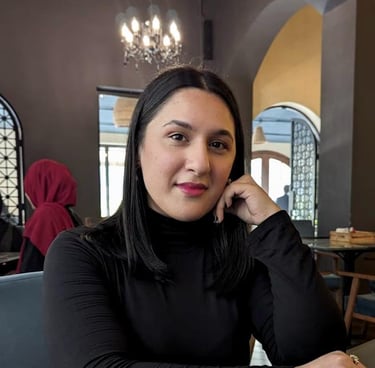
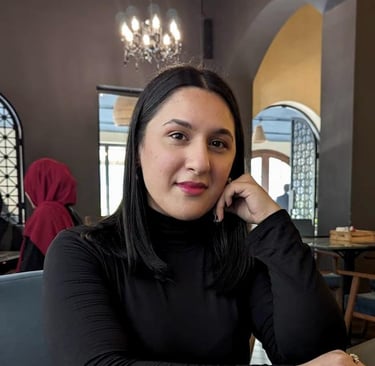
Sarosh Ibrahim
Researcher
Sept 16, 2022
Photo Courtesy: DAWN Images
© 2025. All rights reserved.


A platform exploring body politics, culture, and identity in Pakistan and beyond.