
Villainous Mother-in-Law or a Victimized Pakistani Woman?
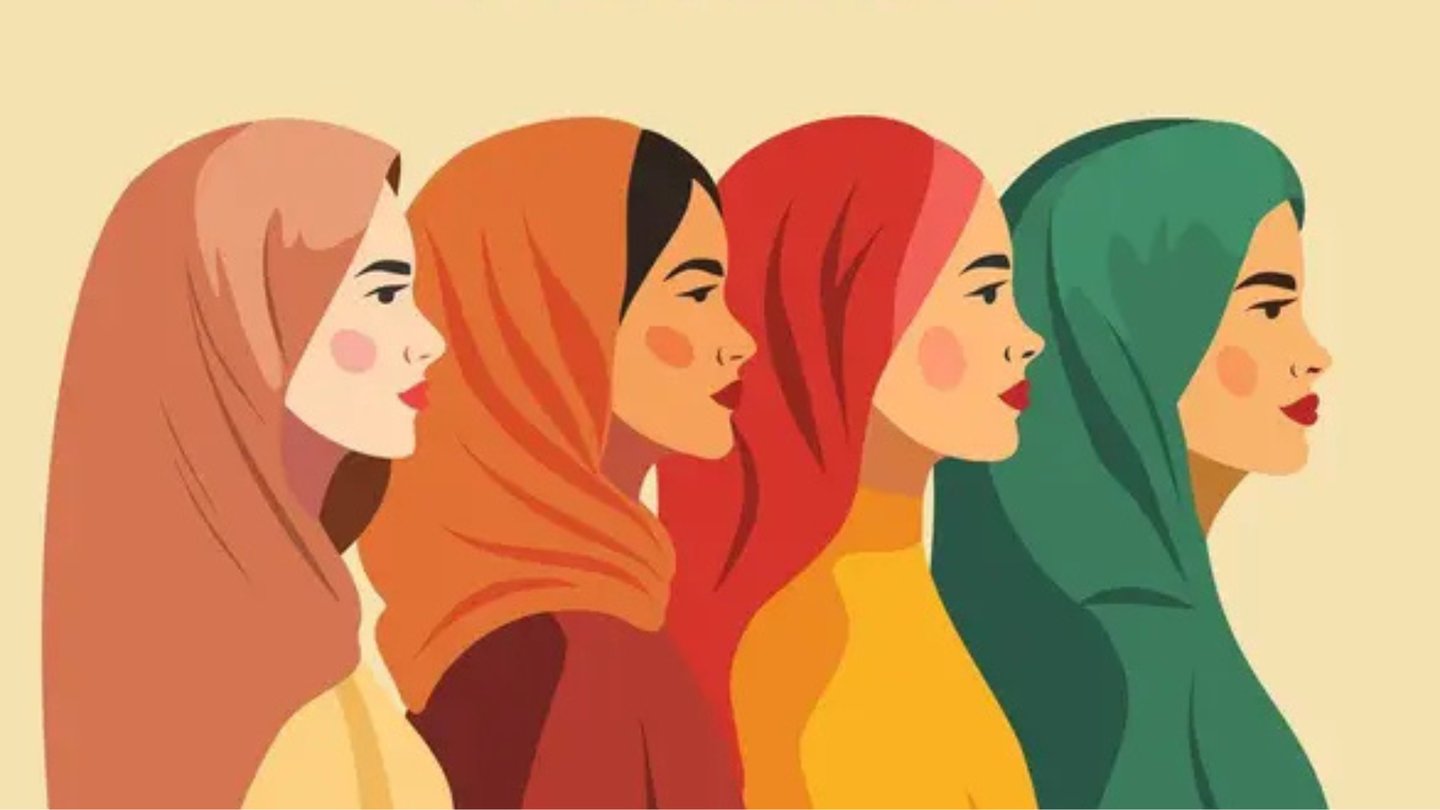
Saba Faisal has been under scrutiny this past week for her views on marriage and daughter-in-laws. It didn’t take long for many to start seeing her as the villain in her son’s marriage. This is not about justifying controlling or abusive behavior. It’s about understanding how patriarchy reproduces itself across generations, subtly shaping relationships, expectations, and social norms.
The Controversy: Clothing, Control, and Conditioning
In an episode with morning show host Nida Yasir, Saba Faisal openly suggested that a daughter-in-law’s attire should be pre-approved by her mother-in-law. After all, the girl is entering our home, so her clothing must meet our expectations. On the surface, this seems controlling—but if we peel back the layers, we see a more complex story.
Saba’s perspective is shaped not only by her own upbringing but also by systemic patriarchal conditioning, which often leaves women in roles where they oscillate between victim and enforcer. To understand this fully, we need to look deeper into her life.
A Glimpse Into the Past: Pregnancy and Power Dynamics
Another clip from the same morning show sheds light on Saba Faisal’s personal experience: her labor journey. Four hours after giving birth, her husband had not been present. He returned, explaining that he had stopped at a popular PTV game show, Nilaam Ghar.
Take a moment to process that. Your wife is in labor, facing intense physical and emotional stress, and your response is… absent. This was over 30 years ago, in early-90s Pakistan. Cultural expectations dictated limited spousal involvement, and Saba’s story shows how normalized this absence became. Not one family member questioned the husband’s behavior. Over time, both parties internalized it: the husband saw emotional unavailability as the norm, and the wife learned to manage without it.
Marriage, Roles, and Mechanization
This raises broader questions: How mechanized have we made husband-wife roles in Pakistan? Is a man’s sole responsibility to earn? A woman’s only role to bear children? Marriage is a partnership, a union where both individuals ideally support one another emotionally, socially, and financially. Each couple may define this differently, but clarity and mutual agreement are essential.
Joint family dynamics further complicate this picture. In patriarchal households, decision-making often rests with husbands and in-laws. Pregnant women, despite facing immense physical and psychological challenges, have limited autonomy. Their health, wellbeing, and emotional needs are deprioritized.
Partner Support: Critical for Maternal and Mental Health
Research consistently shows that partner support during pregnancy and childbirth is the strongest protective factor for women’s physical and mental health. Emotional intimacy, communication, and shared responsibility reduce perinatal anxiety, depression, and postpartum trauma. Conversely, low partner involvement correlates with higher rates of perinatal mental health issues, partner dissatisfaction, and even severe maternal morbidity.
Yet, in Pakistan and other LMICs (low- and middle-income countries), the focus of healthcare remains largely physical. Emotional and social needs are neglected, leaving women vulnerable to disrespect, trauma, and long-term psychological consequences.
From Personal to Structural: Understanding Saba’s Views
The video of Saba Faisal sparked this conversation, showing her insistence that daughters-in-law conform to certain expectations. Understanding this requires connecting it to her own conditioning: a history of limited spousal support, normalized emotional unavailability, and deeply ingrained patriarchal norms.
This is not just about Saba Faisal. It’s about how social and moral conditioning shapes generations of women—who, once they become mothers or mothers-in-law, may unconsciously perpetuate these patterns. Public figures, especially on mass media platforms, amplify these messages, influencing millions of viewers who internalize similar expectations without questioning them.
Why This Conversation Matters
One circulating clip opens the door to many necessary discussions:
How do pregnancy and childbirth experiences differ depending on family dynamics and socio-economic context?
How does normalized emotional unavailability in men impact women’s wellbeing and family relationships?
How do these dynamics perpetuate generational cycles of behavior, expectation, and inequality?
Husbands’ involvement in maternal care is a major, often neglected public health issue in Pakistan. Increasing engagement can improve maternal and infant outcomes, strengthen family communication, and reduce mental health risks for mothers.
As we reflect on Saba Faisal’s story, it becomes clear that what we often see as personal choices are deeply intertwined with systemic patterns—patterns that shape how women navigate marriage, family, and society. But this conversation doesn’t end here. Next, we’ll explore what happens when women internalize these expectations and how the cycle of conditioning continues from one generation to the next.


Sarosh Ibrahim
Researcher
Dec 23, 2025
© 2025. All rights reserved.

A platform exploring body politics, culture, and identity in Pakistan and beyond.