Body Shaming in the Pakistani Drama Industry Today
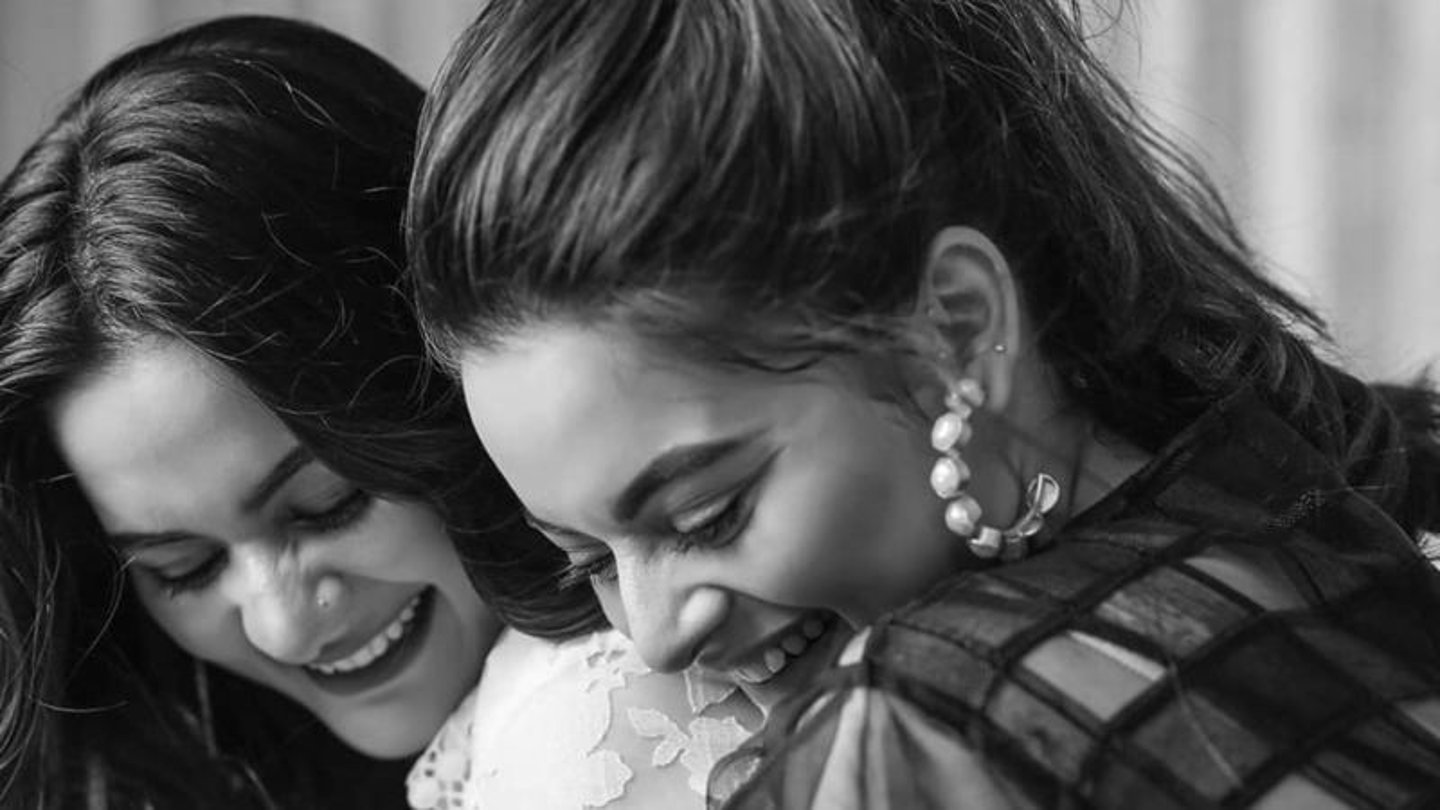

I once watched a video clip of Indian actor Vidya Balan being asked if she planned to lose weight for women-centric films. She was baffled by the connection between her weight and her work, stating she was comfortable in her body and wishing audiences would rethink how they evaluate appearances. This prompted me to reflect on how the Pakistani drama industry treats women performers and the pressures they face to fit a narrow standard of beauty.
Weight, Appearance, and the Male Gaze
Minal Khan shared how social media changed feedback for performers. Earlier, responses came from directors or colleagues; today, comments flood platforms like Instagram and Twitter. Minal was often compared to her twin sister, Aiman Khan, framed as the “thin, talented” sister versus the “fat, less skilled” one. Social pressure, she explains, nudged her toward weight loss, reinforcing the idea that a woman’s body must conform to a particular image to be appreciated.
This aligns with Laura Mulvey’s male gaze theory: women on screen are objectified, their bodies scrutinized, and their work judged through a lens of patriarchal expectations. The female performer often has little control over how she is seen; the audience dictates her perceived value.
Artists Responding to Pressure
Some performers succumb to these pressures, while others resist. Zara Noor Abbas has spoken about embracing her curvy body, refusing to let public opinion dictate her wardrobe, performance, or self-worth. She highlighted the prevalence of cosmetic suggestions, fat-shaming, and unsafe weight-loss products promoted on social media, emphasizing that talent—not appearance—should define an artist’s value.
Similarly, Kubra Khan faced online harassment after gaining weight due to emotional eating during COVID-19 and recovering from two surgeries. Despite the scrutiny, she realized the importance of disconnecting from public criticism and prioritizing self-acceptance. Directors and colleagues also recognized that confidence and performance mattered more than conforming to idealized body standards.
The Social and Cultural Roots
This pattern is not limited to younger actresses. Faryal Mehmood admitted to body-shaming others based on her own experiences, illustrating Sigmund Freud’s concept of projection: people often criticize traits they dislike in themselves. Talk shows like The Couple Show and Juggan @ 9 reflect a culture where even postpartum body changes invite public commentary, despite the physiological realities of pregnancy recovery, such as fluid retention and diastasis recti.
Reflection
The episode raises critical questions:
Does the entertainment industry shape societal attitudes, or merely reflect them?
Can viewers shift their focus from appearance to performance?
Should actors be forced to conform to idealized beauty standards to succeed?
Pakistani drama, while a source of entertainment, also influences social norms. Recognizing the human realities behind the actors’ bodies is crucial in promoting inclusivity and challenging harmful standards.


Sarosh Ibrahim
Researcher
Sept 22, 2022
Photo Courtesy: DAWN Images
© 2025. All rights reserved.
A platform exploring body politics, culture, and identity in Pakistan and beyond.