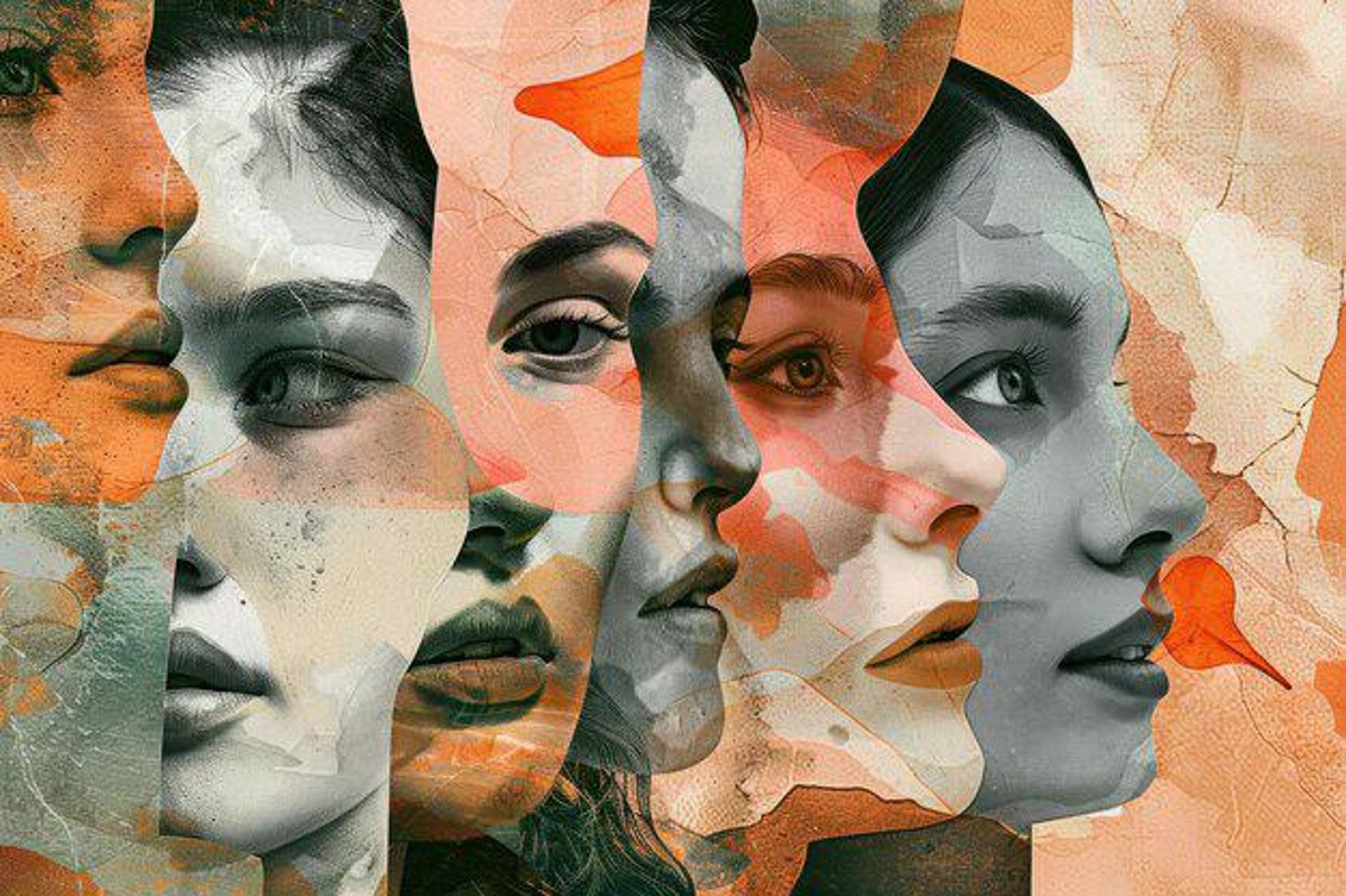
Imagine posting a photo online, perhaps for a campaign or just for fun, only to discover that your face has been used in a brand’s AI-generated images, without your knowledge or consent.
Dear Body
Pakistan’s education crisis reveals a form of violence that is often invisible – the quiet, persistent denial of safety, autonomy, and opportunity for millions of girls. For many girls who do make it into a classroom, school is more than a place of learning, it is the only refuge they have. During the 16 Days of Activism Against Gender-Based Violence, it becomes essential to recognise that violence often takes invisible forms: emotional abandonment, silence, punishment, and the policing of girls’ futures.
Why Classrooms Are A Refuge For Girls In Pakistan
The episode is dedicated to the daughters who often grow up managing emotional tension inside the home long before they are emotionally safe themselves, and how many mothers were navigating survival, sacrifice, migration, isolation, patriarchy, and unresolved trauma while raising children.
What happens to Saleema happens to many women. In societies shaped by strict moral codes, women are often given only two categories in which they are allowed to exist: victim or adulteress. Very rarely human.
This is not another Neelofar review. Instead, it’s an exploration of how Pakistani cinema—and entertainment more broadly—frames women, desire, and agency through a lens that is strikingly similar to Hollywood and Bollywood.
Neelofar, Cinema, and the Male Gaze: Why Representation Matters
Forty Days of Mourning, and the Architecture of Silence
CULTURE
BOOKS
MEDIA
About Dear Body
A research-driven cultural platform exploring body politics, culture, and society.
This platform is committed to research-driven, thoughtful writing that illuminates body politics, culture, and society. Each essay and conversation blends careful analysis with reflective storytelling, grounded in evidence, cultural observation, and lived experience. The platform is independent, and all work is authored and curated by Sarosh Ibrahim and does not represent any institution or external viewpoint.
© 2025. All rights reserved.
A platform exploring body politics, culture, and identity in Pakistan and beyond.