Neelofar, Cinema, and the Male Gaze: Why Representation Matters
This is not another Neelofar review.
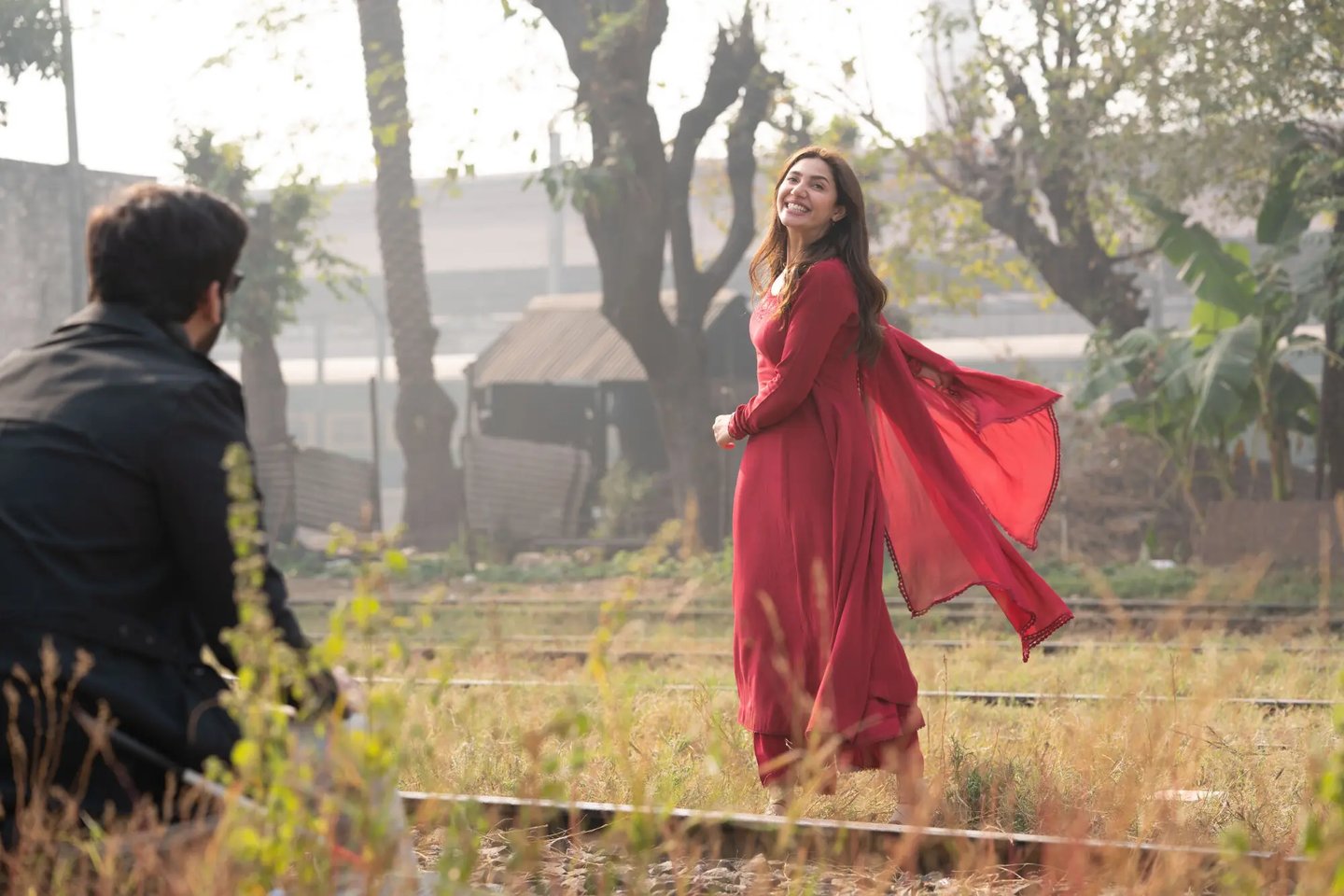
Had my uncle not insisted on watching a movie at the cinema, emphasizing how much he loved seeing Mahira Khan on screen, I might not be having this conversation with you.
This is not another Neelofar review.
Instead, it’s an exploration of how Pakistani cinema—and entertainment more broadly—frames women, desire, and agency through a lens that is strikingly similar to Hollywood and Bollywood.
A Story That Prompts Questions
Briefly, Neelofar follows a visually impaired girl, Neelofar, who crosses paths with notable Urdu writer Mansoor Ali Khan at an eye clinic. What begins as a chance encounter evolves into Mansoor pursuing Neelofar relentlessly. As the movie progresses, I couldn’t help but question how Neelofar’s personality and agency were represented—and what messages this portrayal sends to audiences, especially young viewers.
Despite being the titular character, Neelofar is never fully positioned as the story’s emotional and narrative center. She is complex, yes, but the narrative repeatedly frames her in ways that undermine her strength, culminating in a story that risks being interpreted as a conventional love tale where persistence equals romance.
Understanding Cinema Through the Male Gaze
To understand why this happens, it’s essential to consider who is creating these films. Neelofar is directed by Ammar Rasool, a male filmmaker, and this brings us to a critical lens in film theory: the male gaze.
Coined by Laura Mulvey in her essay Visual Pleasure and Narrative Cinema, the male gaze describes the way visual media is often structured to cater to the desires of heterosexual men. Women are depicted as objects of visual pleasure rather than subjects with agency, and their representation is filtered through male perspectives—directors, writers, and male protagonists alike.
In Pakistan, this manifests in cinema and television in several ways:
Female characters are sexualized or infantilized.
Their desires, perspectives, and complexity are secondary to male characters’ narratives.
Visual focus is placed on physical traits that align with narrow beauty standards.
Neelofar and Symbolism
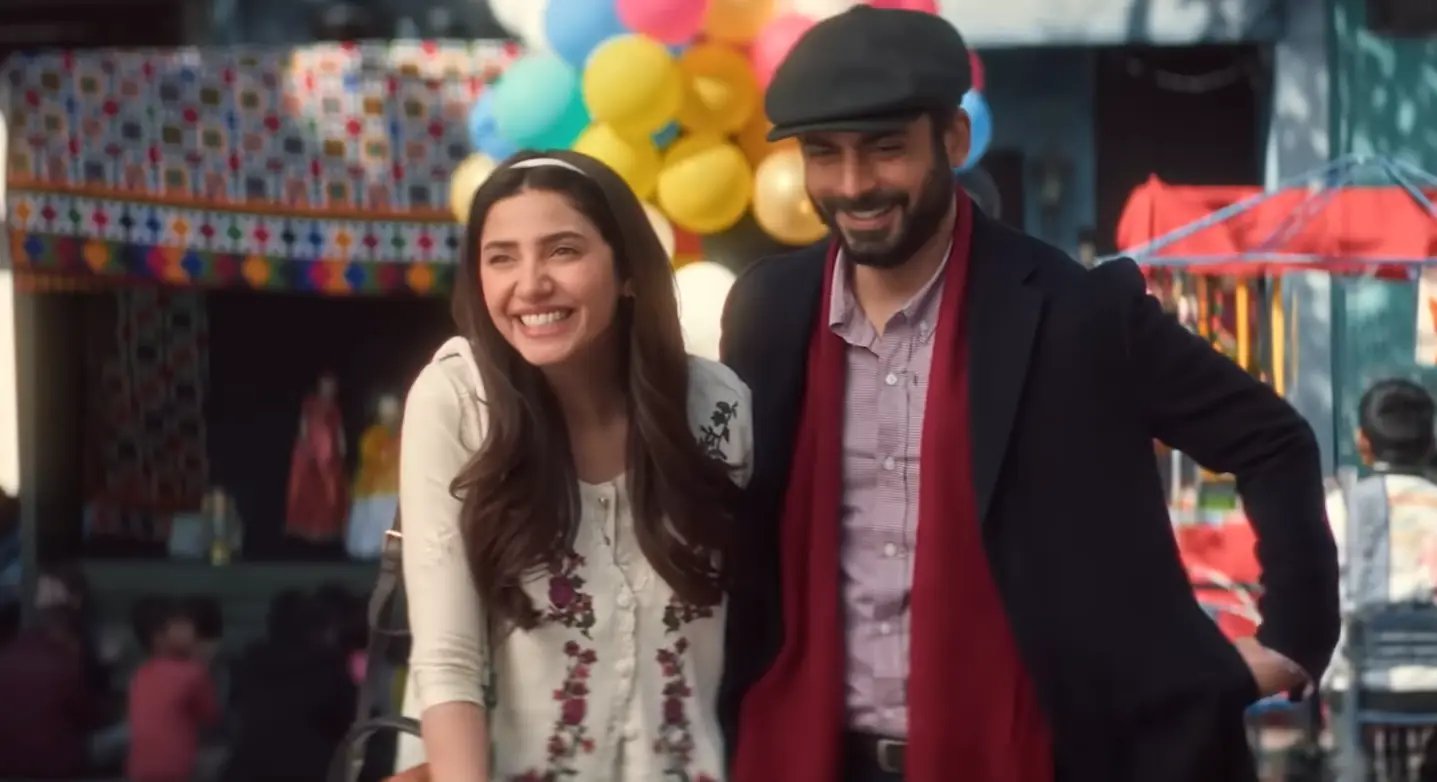
In Neelofar, this is visible in subtle yet meaningful cinematic choices. Neelofar wears a headband, an accessory that signals innocence and vulnerability, suggesting she is waiting for a savior—a man to complete her life. Her initial fiery personality quickly gives way to shyness, giggles, and passivity in Mansoor’s presence. A man’s persistence is normalized as courtship, reinforcing troubling ideas for impressionable audiences about gender, consent, and relationships.


Sarosh Ibrahim
Researcher
Jan 13, 2026
Dawn Images
Dawn Images
The Societal Impact of Male Gaze
The implications go beyond cinema. When women are depicted primarily for male pleasure, audiences internalize these standards. This contributes to:
Objectification and sexualization of women on-screen and off-screen.
Unrealistic beauty standards that are often unattainable.
Body image issues and lowered self-esteem for women who cannot conform to these ideals.
Our media rarely celebrates natural bodies or characters with acne, scars, or fuller figures. Instead, “desirable” women are thin, flawless, and perpetually polished—standards dictated by a handful of male creators with narrow visions.
A Feminist Alternative: The Female Gaze
In response to the male gaze, the female gaze emphasizes women as subjects rather than objects. It considers the perspective of the female creator, the character, and the spectator. Films and dramas using the female gaze center women’s experiences, desires, and agency—providing a more nuanced, realistic, and respectful representation of women.
Examples in Pakistani media include Zindagi Gulzar Hai, Daam, and Dukhtar, where storytelling prioritizes the female perspective, granting agency and voice to women in ways that challenge patriarchal norms.
Why This Matters
Understanding who writes and directs stories—and from which perspective—is crucial. Male-driven narratives often reinforce societal norms that limit women’s agency and perpetuate harmful standards. Female-driven stories, on the other hand, offer audiences models of women as full, complex, and autonomous human beings.
Next time you watch a drama or film, take note of:
Who wrote and directed the story?
Who drives the narrative forward—the male or female protagonist?
How are women’s choices, desires, and bodies represented?
These observations reveal far more than entertainment—they reflect societal power structures and the messages being passed on to our youth.
Final Thoughts
Cinema is never neutral. Every camera angle, prop, and costume choice carries meaning. By engaging critically, we can question how narratives shape perceptions of gender, desire, and identity. And in doing so, we create space for media that respects women as full human beings—not just spectacles for male pleasure.
© 2025. All rights reserved.

A platform exploring body politics, culture, and identity in Pakistan and beyond.