
Are Pakistani Dramas Justifying Toxic Love?
The article critiques the portrayal of romantic relationships in Pakistani dramas, using Mann Mast Malang as a case study.


The drama Mann Mast Malang depicts Kabir, a violent and controlling man, and Riya, a young woman caught in a cycle of trauma and power imbalance. Scenes of physical coercion, emotional manipulation, and forced compliance are presented as “passionate love,” reflecting broader societal acceptance of controlling behavior.
Romanticising Violence
Kabir’s actions, kidnapping, tying Riya’s hands, forcing proximity, and threatening self-harm, are normalized by the drama and romanticized by the audience. Female viewers’ admiration of Kabir’s “passion” underscores a societal tendency to equate aggression and dominance with masculinity and romantic desirability.
Riya, on the other hand, is depicted as naïve and passive, shaped by trauma, loss, and societal expectations. Her compliance and internalized fantasies reinforce gendered power dynamics, where women’s consent and agency are secondary.
Societal Expectations and Gender Roles
Kabir embodies traits culturally associated with manhood in Pakistan: dominance, control, anger, and decisiveness. The drama sidelines qualities like patience, emotional intelligence, and vulnerability, traits often expected from women instead.
Female characters, including Riya, Wafa, and the mother-in-law, are limited by societal roles: women are expected to bear children, manage households, and submit to male authority. Marriage is framed as a transactional arrangement: shelter, food, and security in exchange for obedience and reproductive labor.
The pressure on men, particularly eldest sons like Kabir and Mubeen, also highlights toxic masculinity. Their value is measured by their ability to uphold family honor, produce heirs, and assert dominance, leaving little space for personal growth or vulnerability.
Family Dynamics and Identity Erasure
The drama portrays the mother-in-law as obsessed with reproduction, reflecting societal fixation on women’s bodies as vehicles for lineage. Women without children, like Wafa, risk losing identity and agency. This reinforces the idea that a woman’s worth is tied to her fertility and obedience, while men’s value is tied to achievement and control.
Reflection and Takeaways
While the narrative is dramatic and compelling, it normalizes unhealthy relationships, coercion, and gendered power imbalances. The episode encourages viewers to reflect on:
Recognizing and rejecting unhealthy relationships.
Understanding how societal norms shape perceptions of love, masculinity, and femininity.
Questioning the ways media reinforces or challenges cultural expectations.
Pakistani dramas like Mann Mast Malang are not merely entertainment; they mirror societal attitudes toward gender, control, and romantic relationships. The episode underscores the importance of critical viewing and self-reflection to identify what behaviors are acceptable and which are harmful.


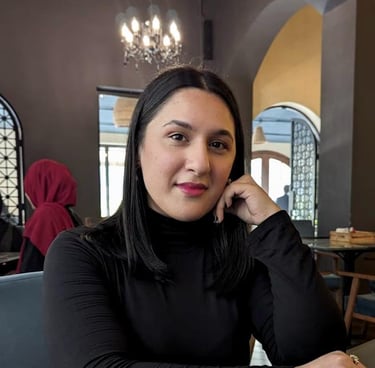
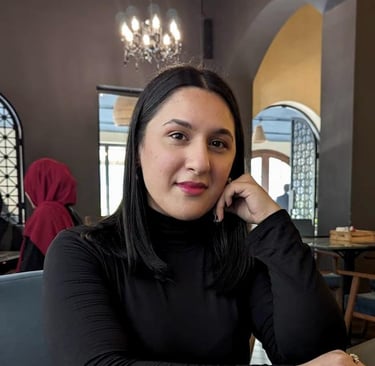
Sarosh Ibrahim
Researcher
July 22, 2025
Photo Courtesy: Fuchsia Magazine
© 2025. All rights reserved.

A platform exploring body politics, culture, and identity in Pakistan and beyond.