
Why Identity Is More Than a Card
Recognition, Belonging, and the Body
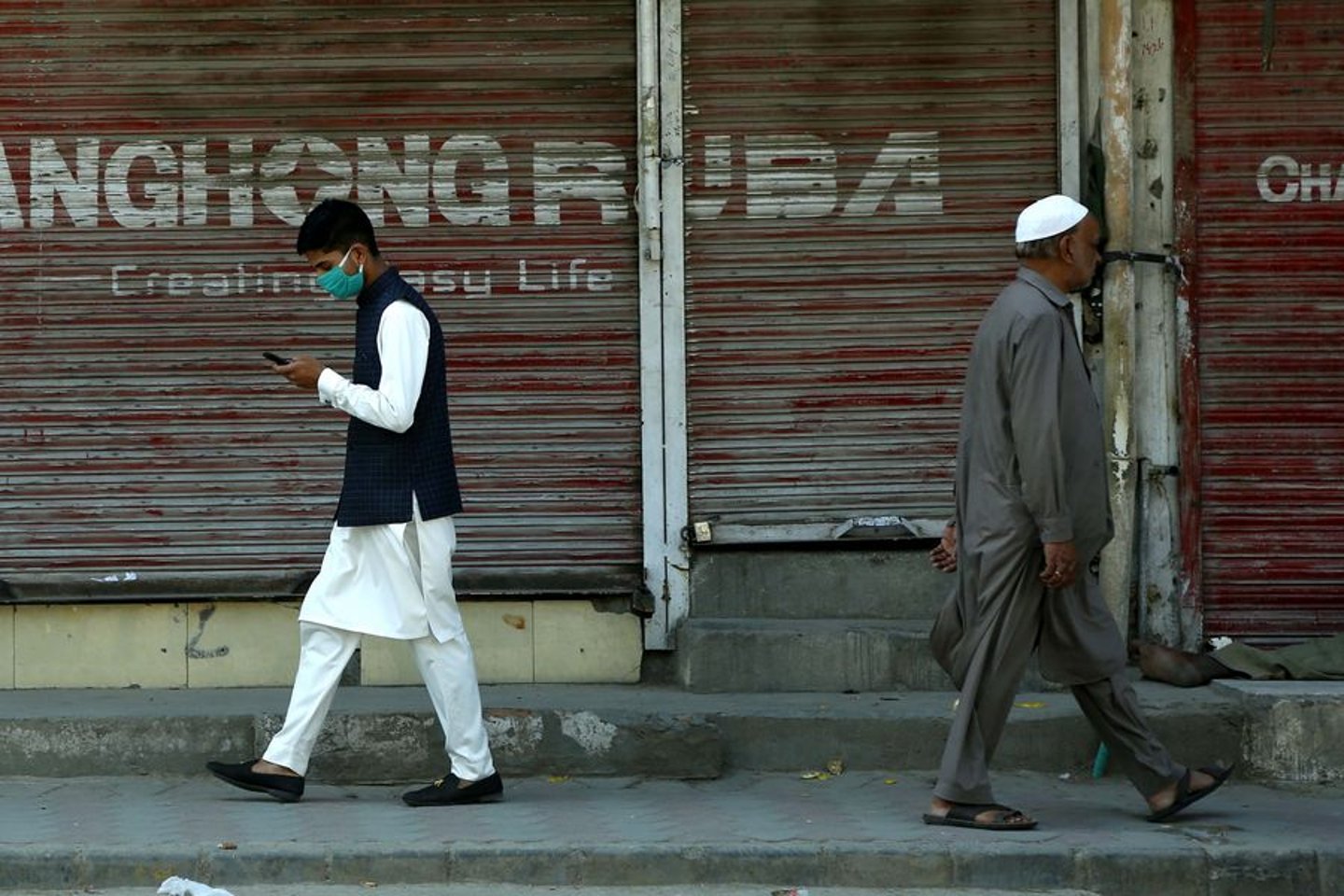
Imagine using your phone on a regular day. You unlock it to pay for lunch, and suddenly the signals are weak. You assume it’s temporary, so you connect to a colleague’s hotspot. You open your banking app, expecting the usual routine, but it logs you out. You try again, and your credentials no longer exist.
At first, it feels like a glitch. But then the disruptions begin to accumulate. You can’t send money. Your salary doesn’t come through. Booking a ticket becomes impossible. Even checking into a hotel requires proof of identity you can no longer provide. All of a sudden, it becomes clear that this isn’t a technical failure. The systems that structure everyday life no longer recognise you.
What makes this unsettling is that nothing about your physical reality has changed. You are still here, moving through the same day, inhabiting the same body. However administratively, something has shifted. You are no longer legible in the places that matter. It is not disappearance, but suspension, where existence continues, yet participation is quietly put on hold.
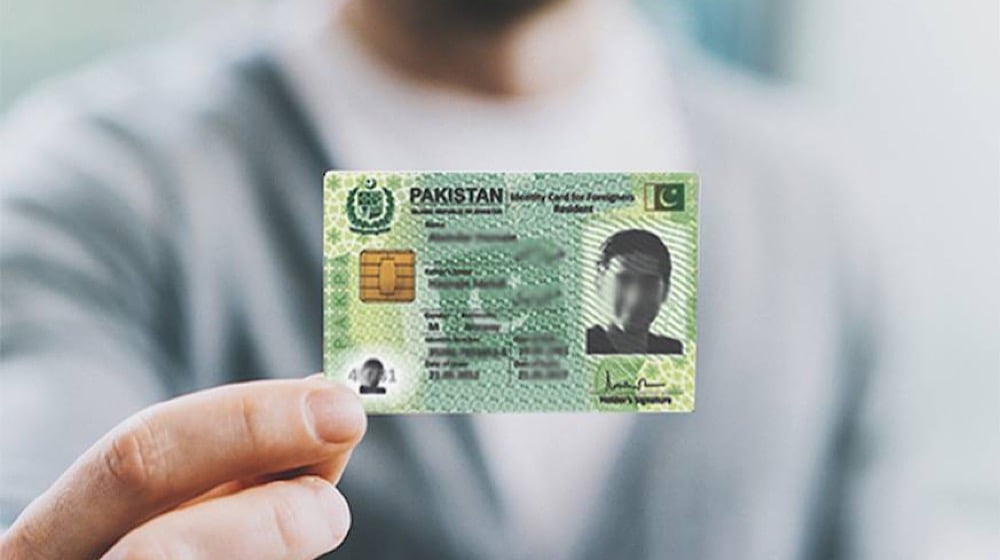
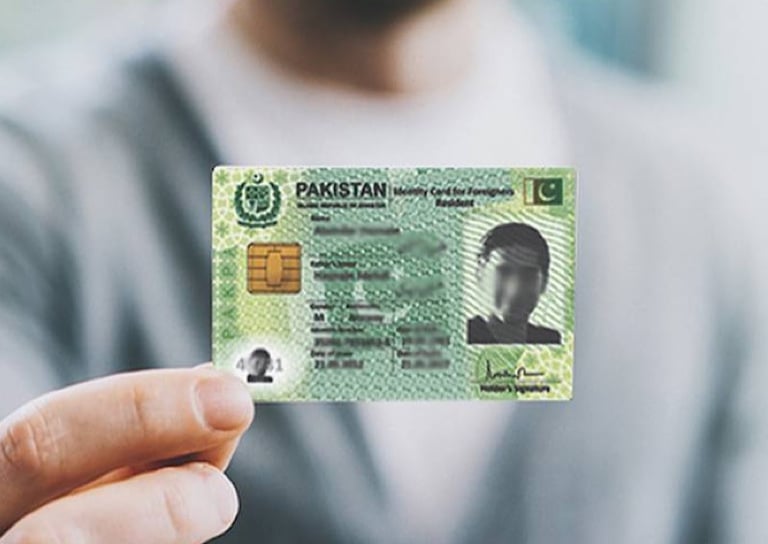
In Pakistan, this condition is not hypothetical. It is tied to something as ordinary as the Computerised National Identity Card.


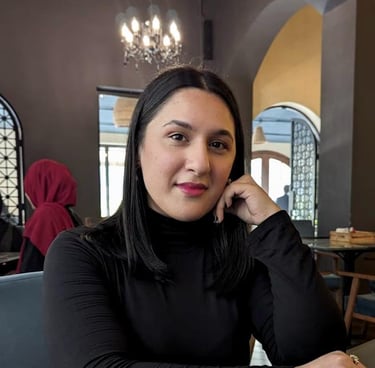
Sarosh Ibrahim
Researcher
April 14, 2026

Similarly, Btihaj Ajana’s work on biometric governance shows how identity systems transform the body into data: fingerprints, facial scans, measurable traits. This is what help creates what she calls “recombinant identities.” These are versions of the self that are legible to institutions but stripped of personal narrative and context.
Identity, in this sense, becomes operational. It functions only when it aligns with the expectations of the system.
Citizenship, which we often think of as a fixed status, begins to feel conditional. It becomes something you can exercise only when your identity is recognised and validated in real time.
This is not unique to Pakistan.
Across the world, digital identity systems, from Estonia to Germany, are expanding in scope and integration. They promise efficiency, security, and seamless access. But they also centralise verification, creating systems where multiple aspects of life depend on a single point of recognition.
This introduces new vulnerabilities. A disruption, whether technical, administrative, or procedural, can cascade across domains: finance, mobility, communication, healthcare. What begins as a minor interruption becomes a structural limitation.
Administrative suspension, in this context, operates as a form of soft control. It does not restrict movement directly. Instead, it limits access to the systems that make movement meaningful.
What emerges from all of this is a deeper question about belonging.
Belonging is often understood as a legal or social status. But in systems like these, it becomes something that must be continuously performed and verified.
When recognition falters, even briefly, it exposes a quiet vulnerability. The realisation that participation in society depends not just on being present, but on being legible within systems that are not always transparent or accessible.
For those at the margins including migrants, informal settlers, undocumented individuals, this vulnerability is not occasional. In reality, it shapes how they move, where they live, and how they imagine their place in the world.
Even when recognition is suspended, life continues in other forms, through community, relationships, and everyday acts of care. These are spaces where identity is not verified, but lived. Belonging is enacted, rather than granted. This does not diminish the power of institutional systems. But it does remind us that they are not the only sites where identity exists.
Perhaps the question is not simply how identity is managed, but how it is experienced.
What does it mean to live in a world where recognition can be paused?
At a glance, the CNIC looks simple: a number, a photograph, a set of biometric markers. But in practice, it operates as something far more expansive. It connects your body to various institutions including banks, telecom networks, transport systems, state services each of whom rely on it to confirm your legitimacy.
This is what makes it consequential. The CNIC does not just record identity. In fact, it makes it usable. It enables movement, access, and participation in everyday life. When it works, it is invisible. When it doesn’t, its absence is felt everywhere at once.
Over time, this role has deepened. With digital integration, identity is no longer just a physical card but a live presence within databases. What matters is not the object itself, but the system behind it that recognises you. This shift is a marker of identity from something you have to something that must be continuously verified.
There are reasons these systems exist. States need ways to organise populations and ensure security. What is less visible is how these systems begin to shape identity itself, determining when it is valid, and what happens when that validation is interrupted.
This becomes clearer when we look at those around us.
In Islamabad, Amin Khan, a resident of an informal settlement, requested that his CNIC reflect his actual address. What followed was not a simple administrative update. His request was denied, his documentation became contested, and the settlement itself was eventually targeted for demolition.
What appears as a bureaucratic decision unfolds into something far more consequential. The CNIC here is not just a card. It determines who can claim space, who can move, and who can remain.
This is not an isolated incident. Many Pashtun migrants have experienced similar disruptions, where identity is placed “under verification” or temporarily blocked. These moments do not erase a person’s existence, but they reshape how that existence is lived. You remain physically present, but your ability to function within systems becomes uncertain.
This condition has been described as one of “suspension”, where individuals are recognised in principle but unable to exercise that recognition in practice.
To understand why this happens, it helps to step back.
Sociologist David Lyon describes modern identity systems as tools of “social sorting.” They do not simply confirm who you are. They determine access, delay, or exclusion, often through processes that remain invisible to those affected.
© 2025. All rights reserved.


A platform exploring body politics, culture, and identity in Pakistan and beyond.