
Period Poverty and the Fight Against Socio-Cultural Stigmas
In May 2022, the Pakistani government classified sanitary napkins as “non-essential luxury items,” a decision that sparked controversy given that menstruation is a physiological necessity for women. This move threatened the availability of essential menstrual products, as companies like Santex rely on imported raw materials, sap paper and wadding cellulose fiber, to produce their sanitary napkins.
Global Menstrual Myths and Traditions
Menstruation practices vary across cultures. In India, some adolescent girls abstain from social activities during menstruation. Hindu traditions restrict menstruating women from touching sacred plants like tulsi. In Nigeria and India, only a minority of adolescent girls use disposable pads, while reusable cloths are common. In Saudi Arabia, research showed that many adolescent girls did not maintain proper genital hygiene during their period, highlighting widespread gaps in menstrual health knowledge.
Menstruation in Pakistan
Studies from Aga Khan University reveal that adolescent girls in urban Karachi often rely on thick shalwars or rewashed cloths instead of sanitary pads. Misconceptions about menstruation are pervasive: some believe menstrual blood comes from the bladder, that washing during the first days can affect fertility, or that menstruating girls should avoid religious practices. Hygiene practices are inconsistent, and disposal of used materials is often hidden from male family members due to cultural taboos.
Menstruation and the Workplace
Menstrual leave remains controversial. While some argue it could stigmatize women further, companies like Swyft Logistics and Floraison in Pakistan have introduced policies allowing women to take leave during menstruation without stigma. Research also shows women with conditions like endometriosis or premenstrual dysphoric disorder face significant pain and emotional strain but often attend work to avoid judgment.
Menstrual Hygiene Management Research
A 2019–2021 field study in Dadu, Sindh, showed that 40% of women aged 14–49 used rewashed cloths due to the high cost of pads. A 2022 cross-sectional assessment by Aga Khan University, the University of Toronto, and The Hospital for Sick Children found that 75% of adolescent girls in rural Pakistan used unsafe methods to manage menstruation. Only 0.5% used sanitary pads, 12.6% used nothing, and many had no formal education. Cultural taboos and cost barriers significantly limit menstrual hygiene management.
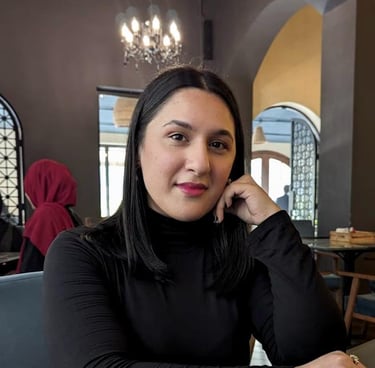
Sarosh Ibrahim
Researcher
October 22, 2022
GirlyThings app, founded by Tanzila Khan
Volunteer and Entrepreneurial Efforts
Several initiatives aim to tackle period poverty in Pakistan:
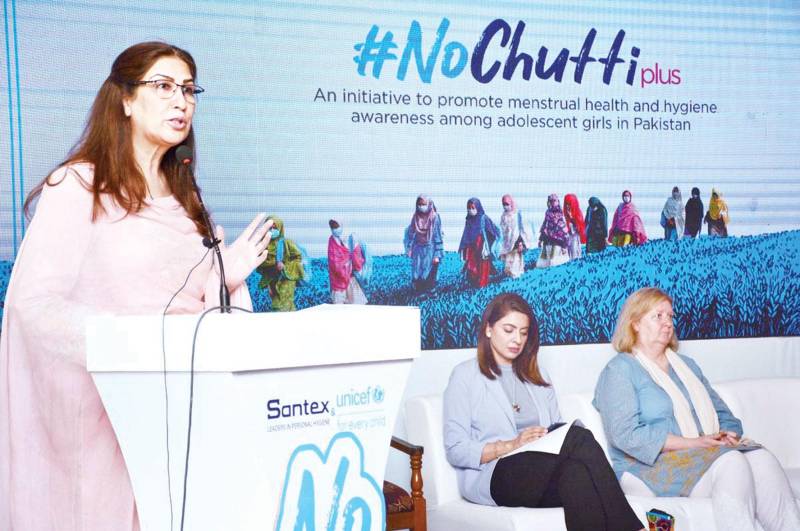
#NoChuttiPlus: Launched by Santex and the Sindh School Education & Literacy Department, this campaign educates girls and women about menstrual health and challenges societal stigma.
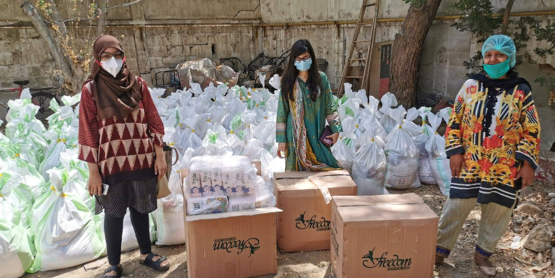
HER Pakistan: Founded by Sana Lokhandwala, this organization focuses on menstrual awareness and hygiene education, promoting a healthy, socially supportive environment.
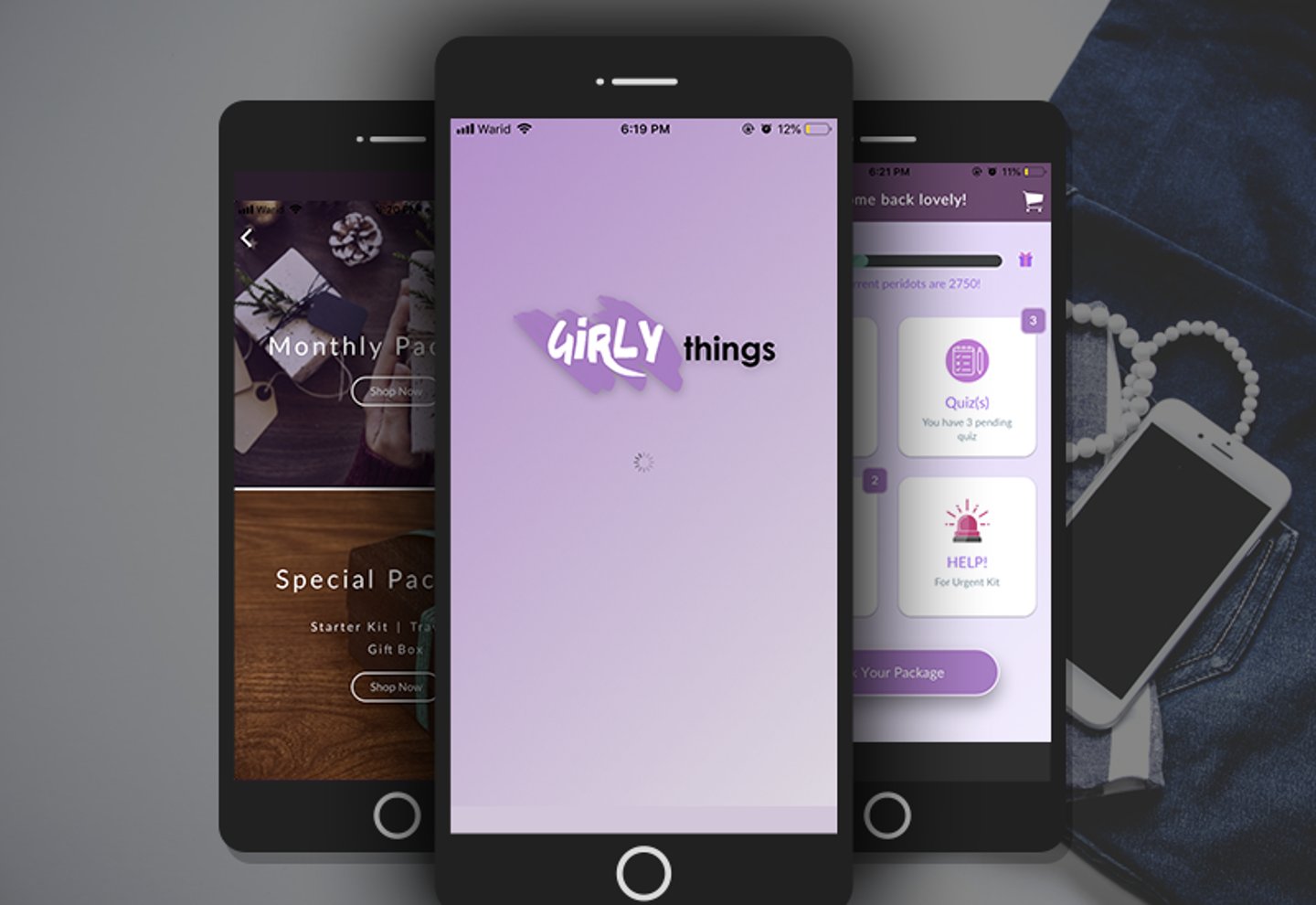
Girlythings: Tanzila Khan’s mobile app delivers period kits directly to users and offers urgent kits for immediate needs, increasing access for women with disabilities or mobility constraints.
Aurat Raaj: Saba Khalid’s AI-driven platform educates women on menstruation, providing access to gynecologists via chatbots and offering interactive lessons in schools.
Period poverty in Pakistan is a result of both economic barriers and deeply ingrained socio-cultural taboos. While government policy and societal misconceptions limit access to menstrual products and education, grassroots efforts, social enterprises, and technology are helping women reclaim agency over their bodies. These initiatives highlight the need for awareness, infrastructure, and cultural change to ensure menstrual health and dignity for all women.
Photo Courtesy: HER Pakistan
Photo Courtesy: The Nation
© 2025. All rights reserved.


A platform exploring body politics, culture, and identity in Pakistan and beyond.