
No Honour in Murder
Femicide and Honour Killing Cases in Pakistan

Violence against women is often understood through visible acts—assault, murder, or physical coercion. However, an exclusive focus on overt violence obscures a quieter, structurally embedded phenomenon: social abandonment. In Pakistan, gendered violence frequently operates not only through direct harm, but through sustained neglect, moral surveillance, and the withdrawal of social support systems.
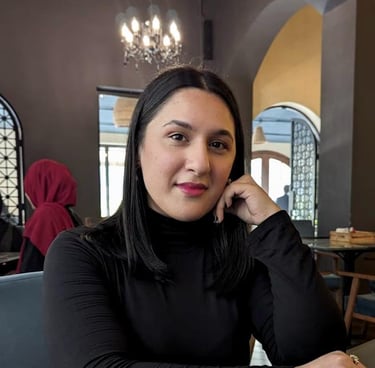
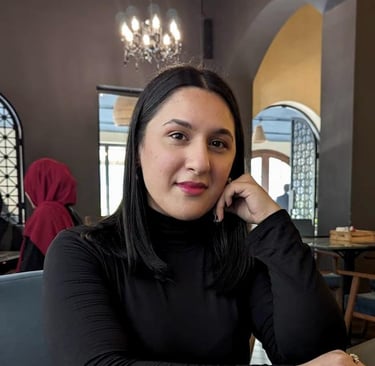
The reported death of Humaira Asghar, discovered months after it occurred, foregrounds this less examined dimension. While preliminary accounts suggest natural causes, the surrounding circumstances—extended isolation, absence of welfare checks, and delayed recognition—raise questions about how social disconnection itself may function as a form of gendered harm. The issue is not simply the cause of death, but the conditions in which a woman can disappear without notice.
From Spectacle to Structure: High-Profile Cases and Public Memory
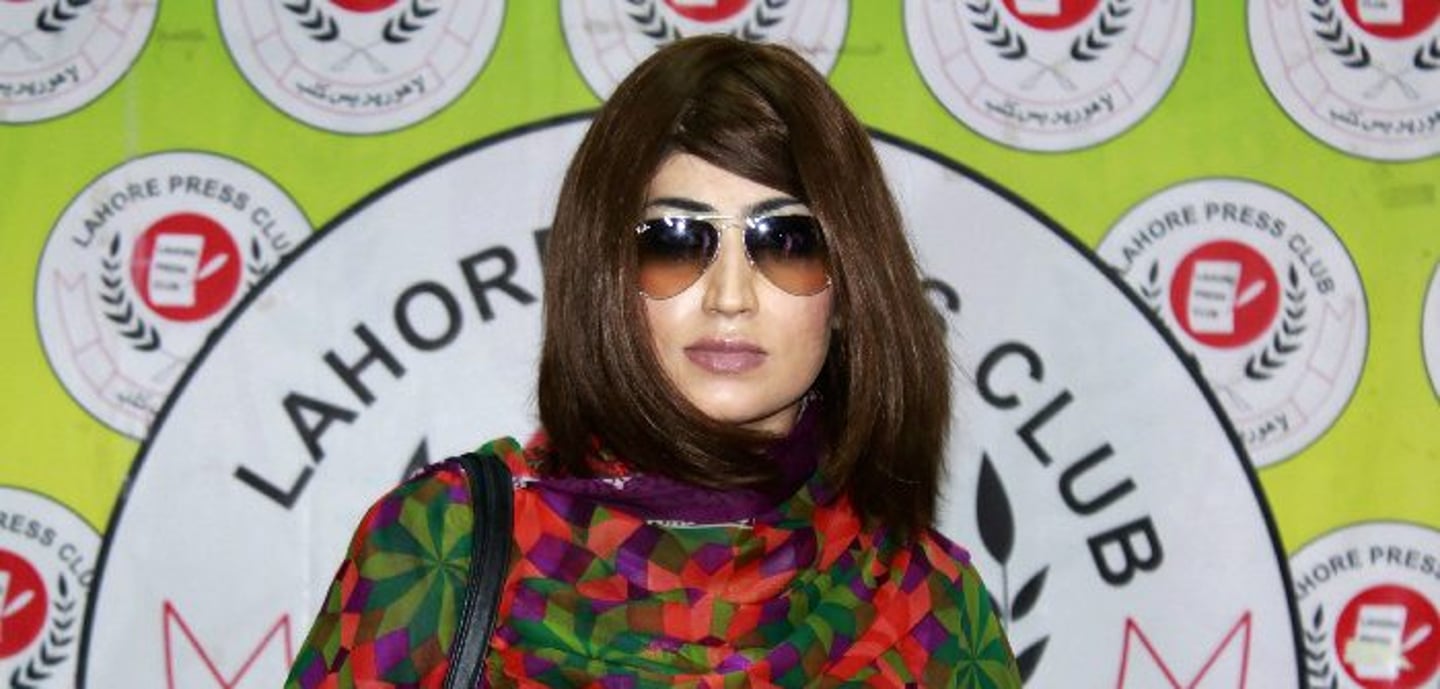
Certain cases of violence against women achieve national visibility, shaping public discourse while also revealing its limits. The murder of Qandeel Baloch in 2016 marked a critical moment in Pakistan’s confrontation with so-called “honor” crimes. Her killing by a family member, justified through claims of moral transgression, led to legislative reform, including the closing of legal loopholes that previously allowed perpetrators to evade punishment through familial forgiveness.


Sarosh Ibrahim
Researcher
July 29, 2025
Qandeel Baloch at a press conference in Lahore weeks before she was murdered
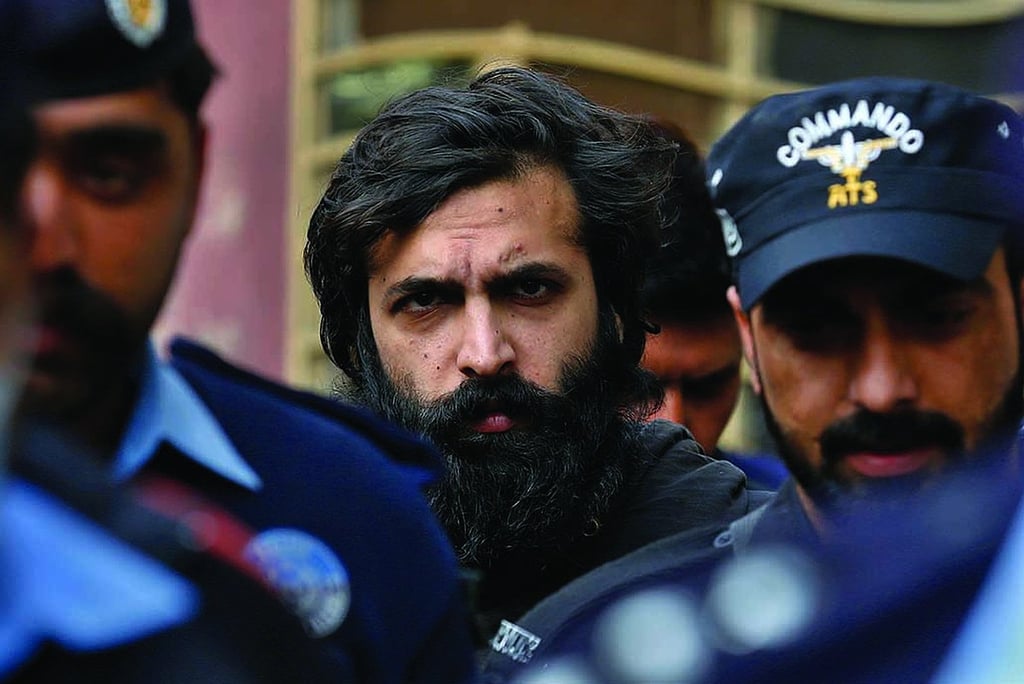
Similarly, the killing of Noor Mukadam and the subsequent trial of Zahir Jaffar became a focal point for public outrage. The case was notable not only for its brutality but also for the sustained media attention and legal follow-through it received—conditions not afforded to most victims.
These cases, while distinct in context, reveal a common thread: the conditional visibility of violence. Public attention is uneven, often shaped by class, geography, and media amplification. As a result, many instances of gender-based violence remain unreported, uninvestigated, or socially normalized.



Moral Economies and the Justification of Violence
A recurring feature across these cases is the moral framing used to rationalize violence. Women’s actions—particularly those related to visibility, mobility, and autonomy—are frequently positioned as provocations. Clothing, social media presence, or personal relationships become grounds for scrutiny, constructing a narrative in which violence appears as a corrective measure rather than a crime.
This selective moral logic operates within a broader “honor economy,” where family reputation is tied to the regulation of women’s bodies. Crucially, this framework is inconsistently applied. Acts of violence, abuse, or exploitation—particularly when perpetrated by men within private spaces—rarely provoke equivalent moral outrage. The asymmetry reveals that “honor” functions less as an ethical principle and more as a mechanism of control.
Femicide as Pattern, Not Exception
The concept of femicide provides a useful analytical lens. It refers to the killing of women and girls because of their gender, often embedded within systems of discrimination and unequal power relations. In Pakistan, femicide manifests across multiple forms: domestic violence, sexual assault, forced marriage, and so-called honor killings.
Recent reported cases—including the killing of a teenage girl for social media activity, the murder of women resisting forced marriages, and intra-family sexual violence—underscore the patterned nature of these acts. The perpetrators are frequently known to the victims: fathers, brothers, husbands, or other relatives. This proximity complicates legal recourse and reinforces cycles of silence.
Importantly, femicide is not limited to the act of killing. It includes the continuum of violence that precedes it—control, isolation, intimidation, and coercion. Within this continuum, social abandonment becomes a critical, yet under-recognized, factor.
Isolation as Gendered Vulnerability
The case of Humaira Asghar illustrates how isolation can function as both a condition and a consequence of gendered norms. Women who pursue non-conforming life paths—whether in career, relationships, or lifestyle—may experience gradual withdrawal of familial and social support. This withdrawal is rarely framed as violence, yet its effects can be severe.
Isolation reduces access to emotional, financial, and physical safety nets. It increases vulnerability to mental health challenges, limits avenues for assistance, and, in extreme cases, allows harm or neglect to go unnoticed. The absence of intervention—no calls, no visits, no institutional checks—reflects not only personal disconnection but systemic indifference.
Reproductive Control and the Politics of Autonomy
At the core of these dynamics lies the question of autonomy. Women’s decisions—whether to marry, whom to marry, whether to work, or how to present themselves—are frequently subject to collective regulation. Deviation from prescribed roles is met with sanctions ranging from social ostracism to physical violence.
This regulation is reinforced by legal, economic, and cultural structures that limit women’s independence. When women are positioned as dependents or extensions of family units, their rights become conditional rather than inherent. In such contexts, violence operates as an enforcement tool, maintaining existing hierarchies.
Media, Representation, and the Possibility of Cultural Shift
Media plays a dual role in this landscape. On one hand, it can reinforce stereotypes by repeatedly depicting women as passive victims. On the other, it has the capacity to model alternative social relations. Narratives that center dialogue, consent, and intergenerational understanding—though less common—suggest the potential for cultural recalibration.
These representations matter because they influence normative expectations. If control can be normalized, so can care. If silence can be reproduced, it can also be interrupted.
Conclusion
The cases discussed here—visible and invisible—should not be understood as isolated events but as indicators of systemic conditions. Violence against women in Pakistan operates across a spectrum, from explicit acts of brutality to the quieter, less visible mechanisms of neglect and exclusion.
A critical shift requires moving beyond reactive outrage toward structural analysis. This includes recognizing social isolation as a form of harm, interrogating the moral frameworks that justify violence, and addressing the institutional gaps that allow such patterns to persist.
The central question is not only why women are killed, but how social, cultural, and institutional systems create environments in which their lives are rendered precarious, conditional, or, at times, invisible.
Photo Courtesy: The Arkansas Democrat-Gazette
Photo Courtesy: RTE
© 2025. All rights reserved.


A platform exploring body politics, culture, and identity in Pakistan and beyond.