
Meera, Nautch Girls, and the Colonial Legacy of Policing Women
Recently, Meera, the well-known Pakistani artist, performed at Times Square to raise funds for flood victims in Pakistan. But instead of focusing on the disaster relief, some social media users chose to leave hateful comments about her dance.
Comments like, “Mujre karke unko haraam khilao ajeeb jahil” and “naach ga kay paisaa akhty karne waali haraam ki kamayi” were floating under her posts. This debate shouldn’t exist in the first place. Women performing to help others should not be questioned, especially when our country is facing severe floods.
What caught my attention, though, were the words “tawaif” and “mujra.” To understand why such terms are loaded with judgment, we need to look at their history—pre- and post-colonial South Asia.


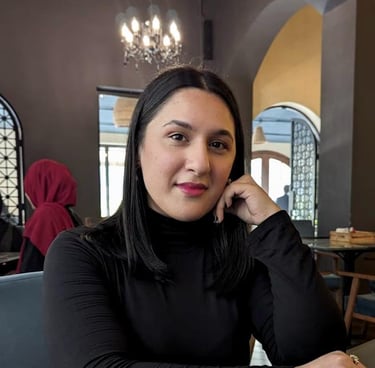
Sarosh Ibrahim
Researcher
Sept 01, 2022
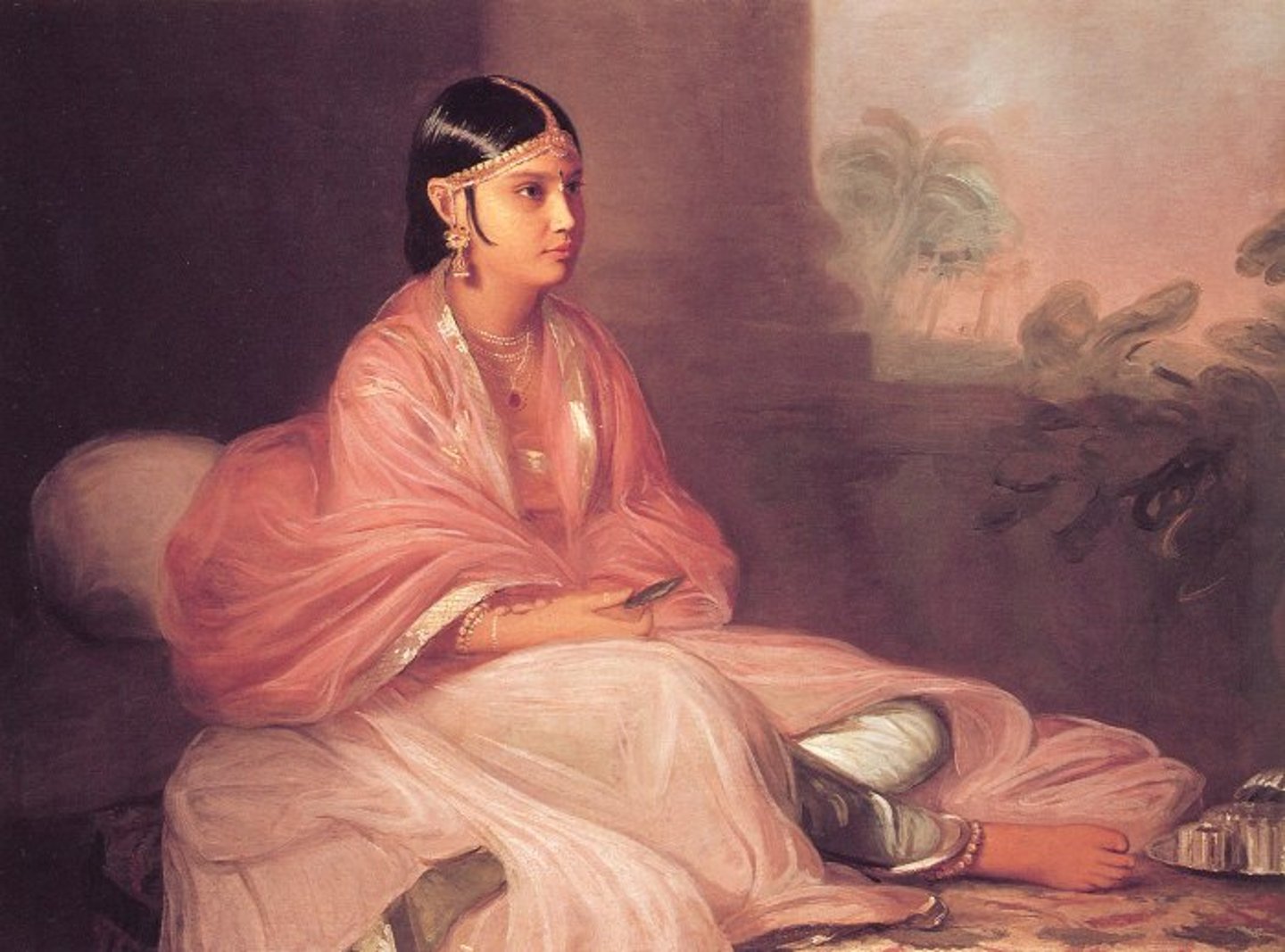
Irish Painter Thomas Hardy
Who Were the Nautch Girls?
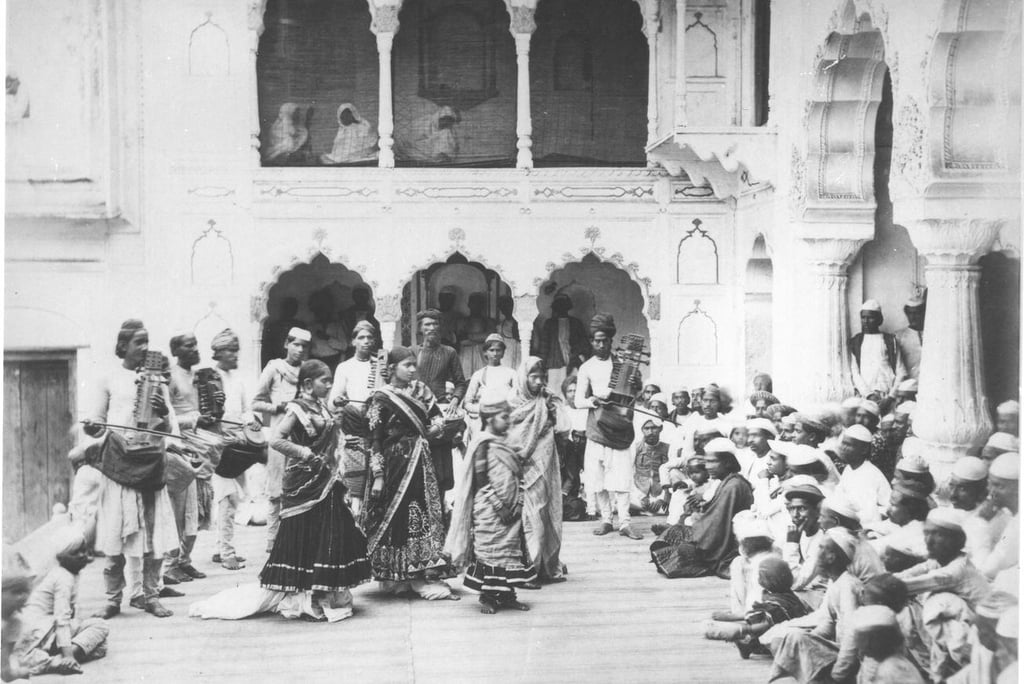
The term “nautch” comes from nach, meaning dance. It was used across the subcontinent to refer to devdasis, tawaifs, and other professional performers. These women were not marginal; they were part of socio-religious life, performing in courts, temples, and private gatherings.
They mastered theatre, music, and classical dance—Kathak being popular among Muslim audiences during the Mughal era. Nautch girls were invited to political events, mingled with elites, and were the face of Indian music. The first recordings of Indian music were made by two nautch girls.


The British Gaze and Sexualization
The arrival of the British changed perceptions dramatically. By the early sixteenth century, European travelers to the Mughal and Ottoman empires began documenting performances. Photography was limited, so paintings and drawings introduced the British public to these women.
The British fascination with nautch girls quickly turned into moral panic. Performances were sexualized and misrepresented. Literature portrayed nautch girls as seductresses who threatened white women and British authority.
As Charan Kamal Kaur Jagpal notes in I Mean to Win, Indian women performers were seen as invading domestic spaces and challenging white supremacy. Despite their obsession with the performances, British men and even royalty attended these shows, such as King Edward VII in 1875.
Campaigns Against Nautch Girls
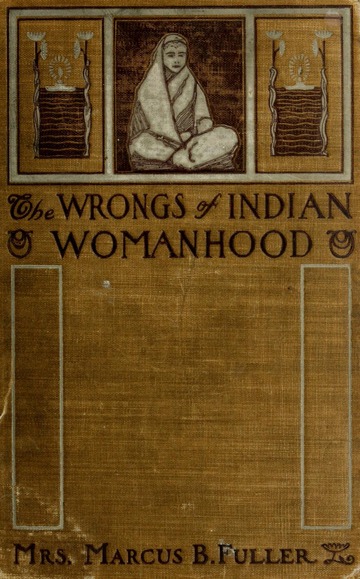
By the 1890s, literary and missionary campaigns—like John Murdoch’s anti-nautch movement and Mrs. Marcus B. Fuller’s The Wrongs of Indian Womanhood—sought to portray these women as immoral. Christian and Victorian values were imposed on Indian culture, creating the idea that nautch girls were corrupting society.
Meanwhile, European women could dance freely, practice ballet, or participate in ballroom dancing without scrutiny. The hypocrisy is clear: the “brown” woman had to be controlled, educated, and “saved” under the guise of reform.
Tools of Colonial Control
Colonial powers used multiple tools to reshape perception: books, newspapers, photographs, paintings, and laws. In Music of the Raj, Captain Thomas Williamson described the famous nautch girl Kunnam as “[A] haughty, ugly, filthy black woman [who] could… hold in complete subjection… many scores of fine young British officers!”
This rhetoric served multiple agendas: racial superiority, moral policing, and cultural domination. The British even implemented the Contagious Diseases Act and Imperial Vaccination Act, further asserting control over Indian women’s bodies and public presence.
Artistic Misrepresentation
Nautch girls’ physical appearance was constantly criticized. Irish painter Thomas Hickey, for example, painted broad-figured women who were then described as masculine or unconventional. Dark skin, sharp features, direct gazes—everything deviating from Victorian norms was framed as inferior.
These attacks were not about dance. They were about maintaining power, controlling cultural expression, and instilling a sense of inferiority in colonized populations.
Why This Matters Today
Colonial histories shaped how we view female performers even today. The terms “mujra” and “tawaif” carry centuries of misrepresentation, fear, and moral policing. Labeling Meera’s fundraising performance through this lens ignores the context and the real issue: Pakistan is facing one of the worst climate disasters in its history.
Understanding the history of nautch girls is not just an academic exercise—it’s a way to recognize how colonial legacies still influence the policing of women’s bodies, careers, and creative expression. The next time we comment, we must ask ourselves: are we contributing to help or perpetuating centuries of bias?
Mrs. Marcus B. Fuller’s The Wrongs of Indian Womanhood
Photo Courtesy: Samuel Bourne
Pakistani Actor Meera Jee
© 2025. All rights reserved.


A platform exploring body politics, culture, and identity in Pakistan and beyond.