
Mahsa Amini, Afghan Women, and the Veiling of the Muslim Woman
On September 20th in Kerman, Iran, women protested following the death of 22-year-old Mahsa Amini, who was detained by the morality police for allegedly violating hijab rules. Videos show women cutting their hair, removing their veils, and raising fists in defiance. These protests highlight the dangers of state-imposed veiling, which is often enforced with detention, fines, and violence. Amini’s death, and the brutal treatment leading up to it, sparked outrage across Iran, with more than 1,200 protestors arrested by late September.
Historical and Political Context
Before 1979, under the Pehlavi Dynasty, Iranian women had access to education, political participation, and legal protections such as divorce rights. After the Islamic Revolution and the rise of Khomeini, women’s rights were severely restricted. Mandatory veiling laws, limited workforce participation, and strict dress codes were enforced under threat of punishment. Although there have been periods of reform—such as under Presidents Rafsanjani and Khatami—conservative policies under leaders like Ahmadinejad reasserted strict dress codes and state control over women’s bodies.
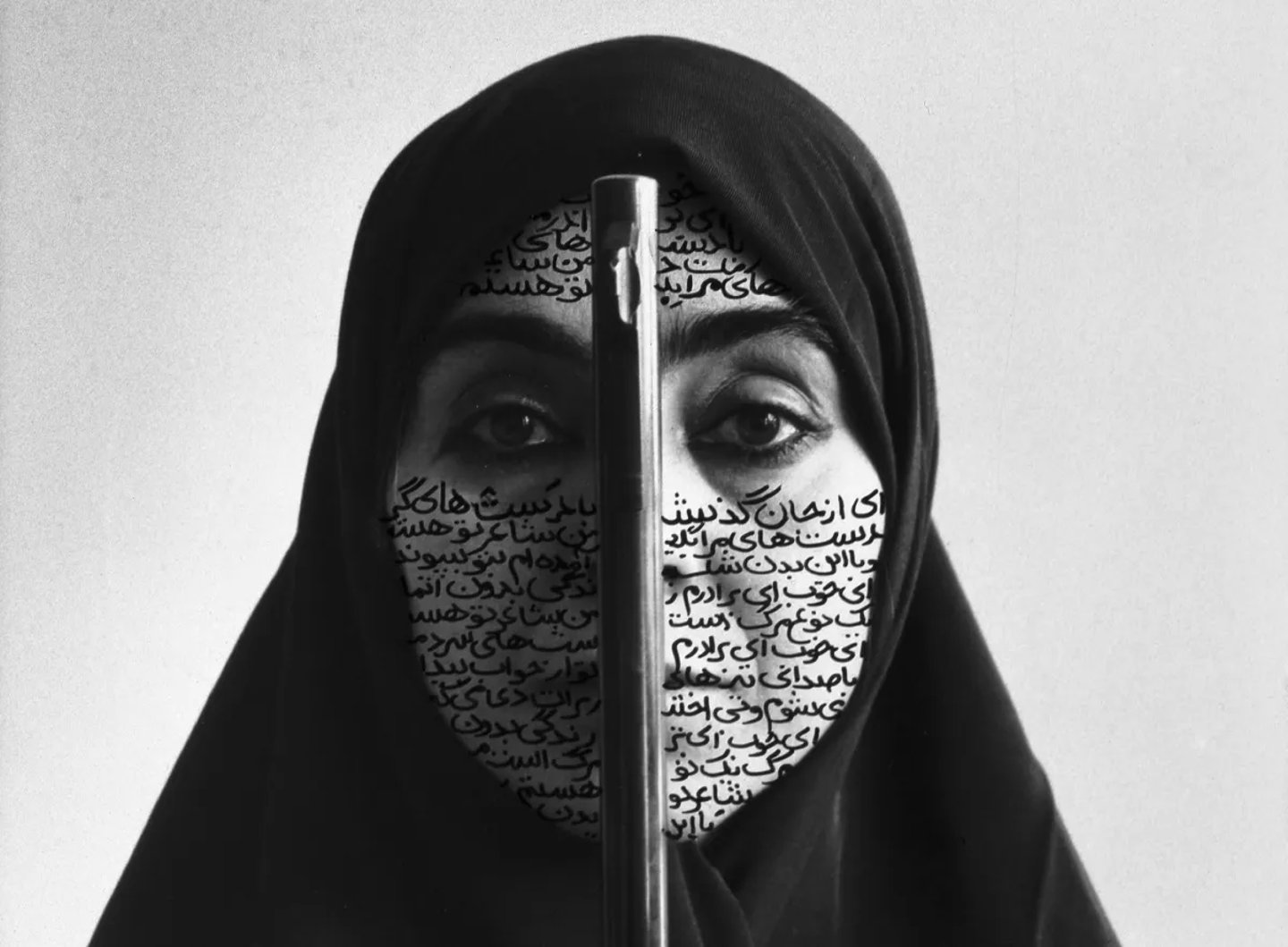
Shirin Ebadi, Nobel Peace Prize winner and former judge, highlighted how the state misused religion to restrict women’s rights, and visual artist Shirin Neshat explored women’s experiences under veiling through photography and video, reclaiming the narrative from Western assumptions.
Veiling and Agency
It is crucial to separate voluntary veiling from forced veiling. A Muslim woman’s choice to cover herself can coexist with empowerment, education, and agency. Veiling can serve as a means to navigate public spaces safely, resisting sexualization while expressing personal, cultural, or religious identity. Compulsory veiling, however, strips women of choice and reinforces unequal gender dynamics by treating their bodies as objects to control.


Sarosh Ibrahim
Researcher
October 03, 2022
Shirin Neshat’s Rebellious Silence, with a poem as a veil. Photograph: © Shirin Neshat Courtesy of the artist and Gladstone Gallery
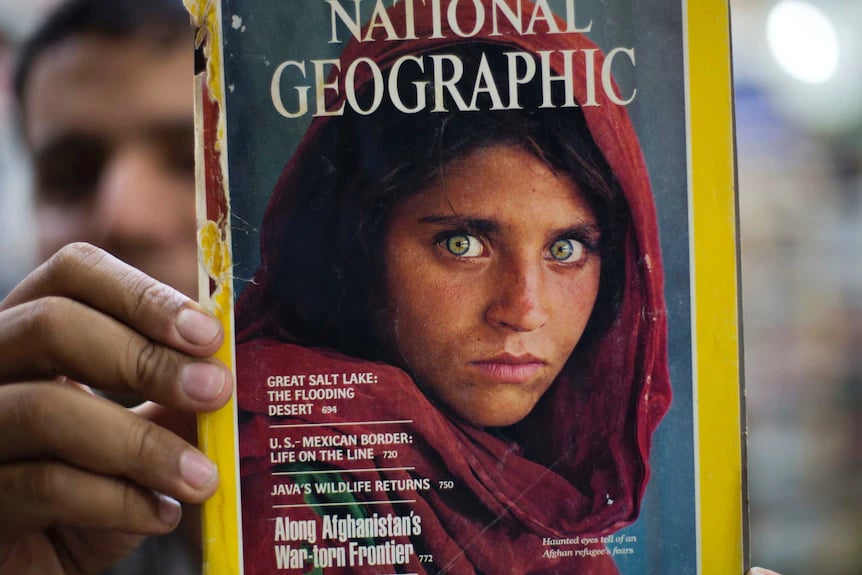
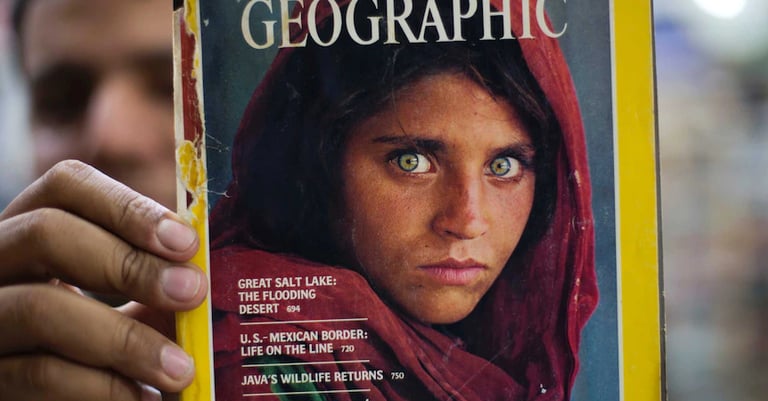
Sharbat Gula on the Front Cover of National Geographic photographed by Steve McCurry
Western Narratives and Afghan Women
The West has often used veiling as a justification for intervention, particularly in Afghanistan. Sharbat Gula, the “Afghan Girl” photographed by Steve McCurry in 1984, became a symbol for Western media campaigns, yet she personally experienced consequences for this exposure, including harassment and imprisonment. Lughod critiques how Afghan women were mobilized in the “War on Terror” narrative, with figures like Laura Bush framing military intervention as a fight for women’s rights, often ignoring the broader structural issues like poverty, education, and healthcare that affect women across developing countries.
Historically, forms of veiling such as the burqa were not invented by the Taliban but developed as cultural practices of “portable seclusion” among ethnic groups in Afghanistan and Pakistan, providing a way for women to navigate public spaces while observing local moral conventions. Veiling, in many contexts, was a protective and practical practice, not a tool of oppression.
Reflection
The events in Iran and the experiences of Afghan women highlight the ongoing struggle for bodily autonomy, the right to public participation, and the freedom to make personal choices about appearance and mobility. These struggles raise broader questions:
Should religion be used to restrict a woman’s mobility?
How do historical, cultural, and political forces shape perceptions of veiling?
What does bodily autonomy mean in contexts of both state control and cultural norms?
The protests following Mahsa Amini’s death remind us that women’s rights are inseparable from human rights. How we interpret, support, and engage with these movements is crucial for understanding autonomy, dignity, and freedom.
© 2025. All rights reserved.


A platform exploring body politics, culture, and identity in Pakistan and beyond.