
Floods, Women, and Survival: Pakistan’s Hidden Crisis
How floods in Pakistan become a crisis of dignity, health and survival for women — and what we must do next.
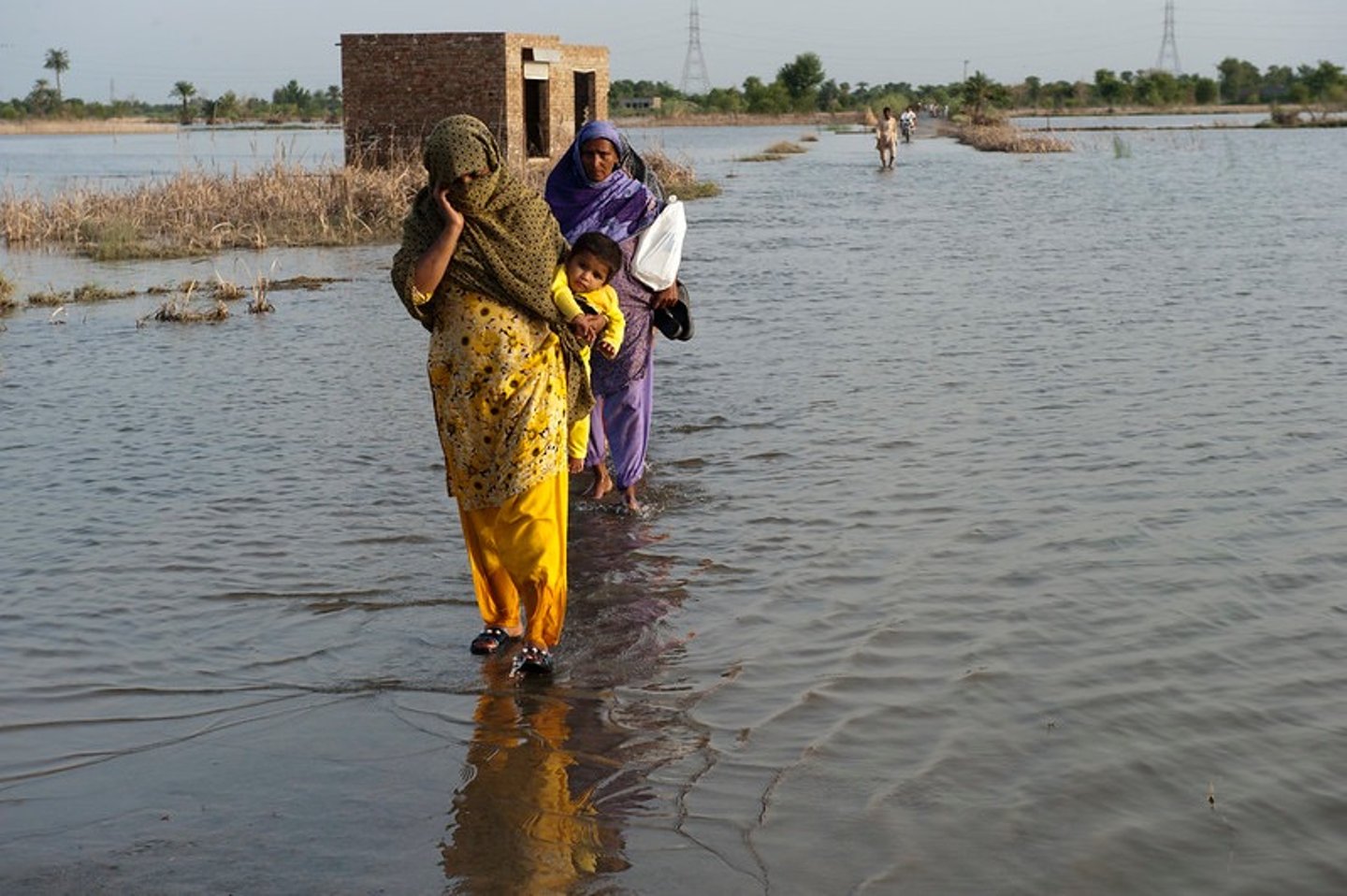
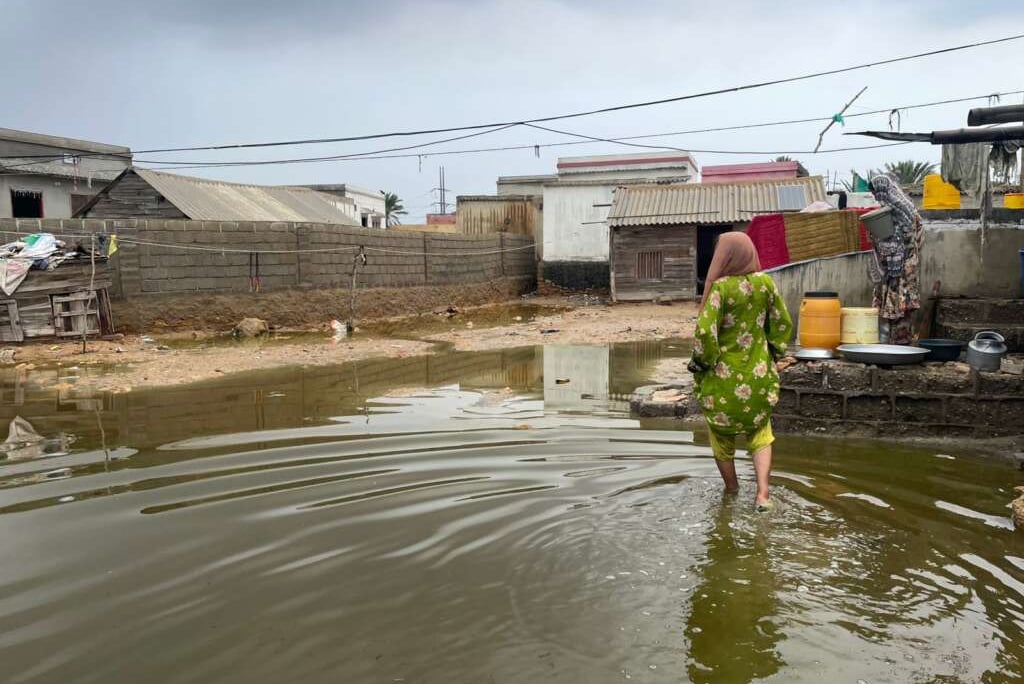
Picture a house that floods while decisions about who leaves first are still made by others. Picture a home with no separate bathroom, no lock, no private space. Picture a woman asked to carry a child and the family’s few belongings through waist-deep water while men search for a boat. These are not rhetorical images, they are everyday realities.
Floods interact with pre-existing social rules. Women are most often primary caregivers. They are less likely to be able to access cramped, mixed transport; they may be excluded from relief distribution because distribution teams are male; they cannot reach private clinics or markets when roads have collapsed. The result is not only loss of property, but a cascade of health and dignity harms.
Hazaran Rahim Dad’s reporting on Mauripur, Karachi, brings this home in the story of Sabzi, a mother standing in the rising water of her three-room house while her mind holds a different, older loss: two of her sons forcibly disappeared months earlier. She waded through the flood, pushed water out of rooms, slept amid mosquitoes and damp, and continued to live with an unresolved political violence. Sabzi’s household shows how environmental disaster layers onto state and social violence, a pattern repeated across flood-affected communities.


Sarosh Ibrahim
Researcher
Aug 26, 2025
Creator: © Gerhard JšrŽn
Menstrual Health and Hygiene
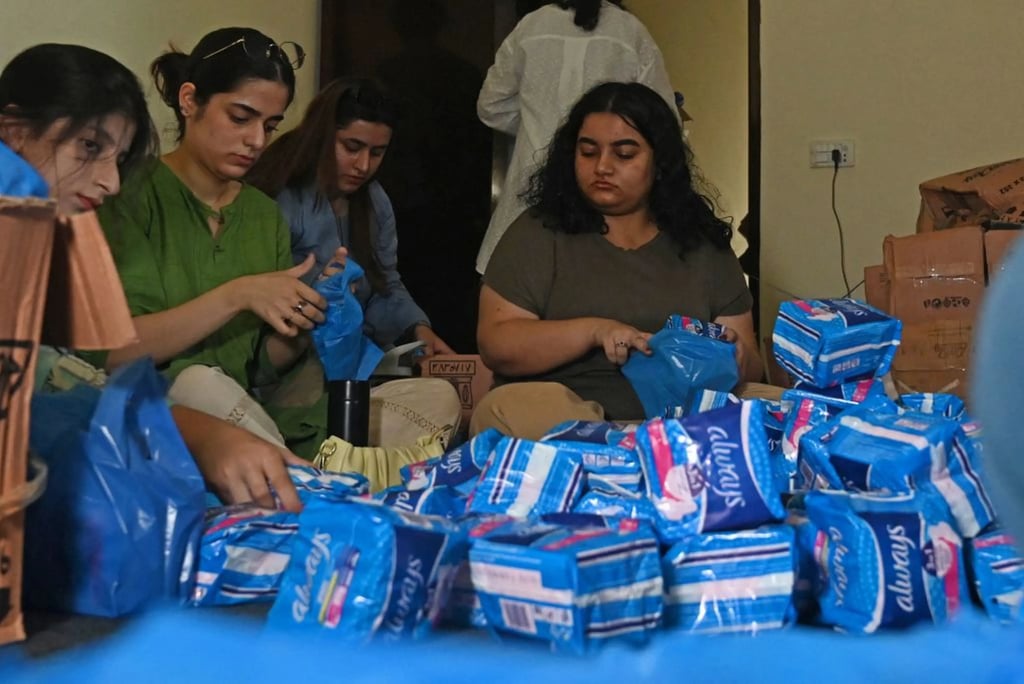
Periods do not pause for calamity. Yet when the rains and floods come, menstrual needs are almost always left off the emergency checklist. Women in camps report using leaves, washing and re-using cloth in filthy water, or simply going without. Without clean water and private spaces to wash and dry reusable cloth pads, infection risk rises. The shame and humiliation are immediate; the health consequences, urinary and reproductive tract infections, severe anemia become long-term.
There is also a physiological dimension. Research and clinical reporting show that extreme heat and chronic stress, both features of the climate shocks Pakistan has endured, elevate cortisol (the stress hormone), which can in turn disrupt menstrual cycles, cause heavier and more painful bleeding, or delay cycles entirely. Clinicians in Karachi and elsewhere reported seeing young women with new, severe dysmenorrhea following heatwaves and flood displacement. These are not trivial inconveniences; they limit mobility, schooling and economic participation. (Reporting and medical interviews summarized from Aleezeh Fatimah and specialists in the materials compiled.)
On the ground, grassroots solutions have mattered. Mahwari Justice and other volunteers designed three contextsensitive menstrual kits, disposable packs where clean water is unavailable, washable cloth kits where washing infrastructure exists, and mini emergency packs for transit. They included diagrams so women unfamiliar with commercial products could use them safely. That kind of pragmatic, dignity-centred design saves health and lives.
Motherhood in Crisis
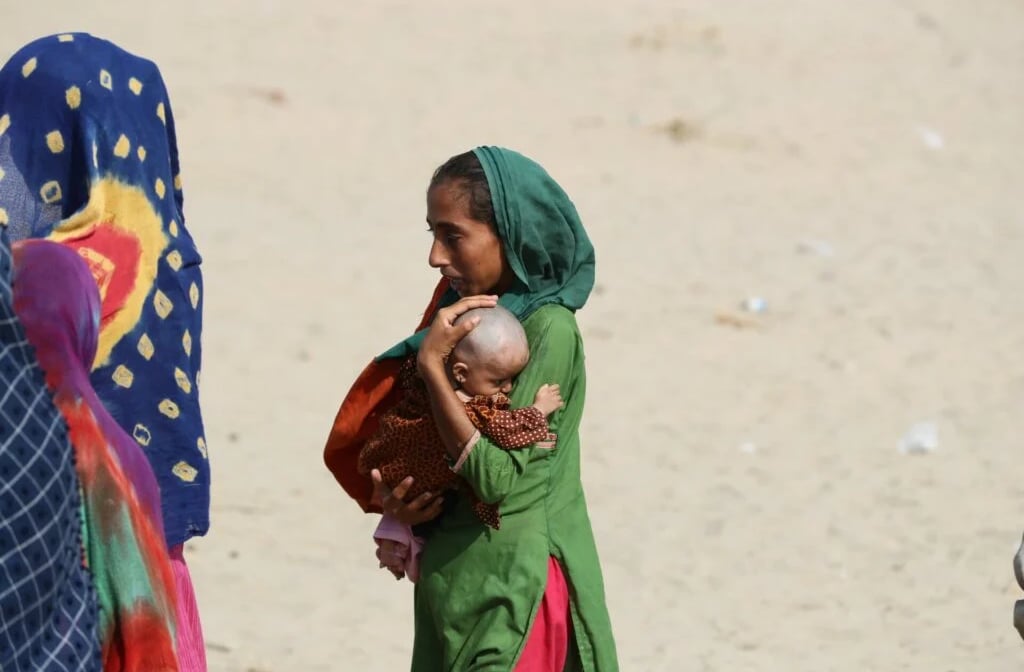
Imagine giving birth in a tent, on a boat, or in a school corridor — no sterile surface, no running water, no trained attendant. During the 2022 floods, hundreds of thousands of pregnant women were displaced. Midwives and small organisations such as Mama Baby Fund assembled safe-delivery kits, plastic sheets, soap, gloves, clean blades, misoprostol for postpartum hemorrhage, newborn wraps, and brought them into camps. Those kits were lifesaving. But they are a bandage on a much larger wound.
Postpartum hemorrhage, infection, infant malnutrition, respiratory and gastrointestinal illness among babies rise when health systems fail. The trauma of displacement reduces breastfeeding and fractures maternal mental health. Midwives who worked in camps describe a protracted emergency: destroyed roads and clinics, interrupted care routines, and a media attention span that moves on while the crisis endures. What began as an acute disaster becomes a chronic public-health emergency that falls hardest on mothers and infants.
When Floods Steal Childhood
Until we attach gender and age to the phrase “climate vulnerability,” we miss the damage that is most permanent. Al Jazeera’s reporting from Sindh introduces us to Asifa, 13 when she was told, “Your marriage has been arranged.” She thought of the clothes and celebration she had been told weddings bring; she did not understand that she would become the wife of a man she had never chosen. Two years later she is 15 and already a mother.
This was not tradition. It was desperation. The 2022 floods destroyed her family’s rice and vegetable fields in the Main Nara Valley; savings and harvest revenue evaporated. With multiple younger children to feed, her family saw no option but to accept an arrangement. Across one village, NGOs recorded at least 45 child marriages in the months after the floods. Enough such cases have emerged that activists now speak of Pakistan’s “monsoon brides”, a term that captures how climate shocks accelerate child marriage.
Sujag Sansar’s work in Sindh shows how families, feeling exposed in relief camps and cash-poor after crop loss, view early marriage as a survival strategy: a way to reduce mouths to feed and, perversely, to “protect” daughters from the perceived risks of camp life. The cost of that “protection” is the permanent theft of education, health and choice. Survivors like Samina, married at 13 in a previous flood, now run candle-lighting circles and training programmes to prevent this cycle. Their work is part survivor testimony, part resistance. (Al Jazeera staff; Sujag Sansar.)
Mental and Emotional Toll
The visible damage of floods, overturned boats, ruined homes, drowned fields, is easy to photograph. The interior damage is harder to map: chronic anxiety, unresolved grief, insomnia, panic, depression and post-traumatic stress that pass from mothers to children. Sabzi’s nights waiting, listening for impossible sounds, cleaning damp rooms and worrying about disappeared sons tell us how disaster becomes a backdrop for ongoing political and personal trauma.
Psychosocial support is underfunded; referral pathways are weak. Women are expected to be resilient; that expectation obscures the resources they need. Investing in paraprofessional counsellors, safe women-only support groups, and clear referral systems must be part of any meaningful disaster response.
Stories of Resilience
And yet there is improvisation and invention. College students founded Mahwari Justice and distributed tens of thousands of menstrual kits; women in villages sewed reusable pads and sold them as income; midwives assembled birthing kits in living rooms and took them to remote islands. Mama Baby Fund’s community-based approach has placed midwives at the centre of disaster planning, not at its margins.
Resilience is not romantic. It is tactical, local and often unpaid. It shows us the design principles of dignity-centred relief: female distribution teams, private sanitation, context-appropriate menstrual kits, and funded roles for midwives and community counsellors.
What you can do
If there is one principle to carry away: dignity is a form of healthcare. Practical steps you can take:
Support organisations doing gender-sensitive relief: donate to Mama Baby Fund, Mahwari Justice, Sujag Sansar and local midwife networks.
Amplify survivors’ reporting: share their stories with policymakers and donors; demand menstrual products and maternal care in relief budgets.
Advocate policy change: remove taxes on menstrual products; mandate gendered disaster planning with female staff, separate sanitation and integrated maternal care.
If you work in relief: insist on female distribution teams, privacy in camps, and funded psychosocial services.
If you are in Pakistan: volunteer with community groups, support local midwives, or fund training for paraprofessional counsellors.
When floods return, we must refuse to accept that women’s dignity be collateral damage. The body remembers; the body carries grief and hope. Centre bodily dignity in emergency response and relief will work better for entire communities.
Credits & Further Reading
This piece draws on the reporting compiled in my producer file: Hazaran Rahim Dad (feature reporting from Mauripur); Aleezeh Fatimah (menstrual health and climate reporting); Samia Qaiyum (Mama Baby Fund); Sanya Mansoor and Al Jazeera staff (coverage on Mahwari Justice and the “monsoon brides” series); and interviews and fieldnotes from medical practitioners, midwives and grassroots organisers including Mahwari Justice, HER Pakistan, Mama Baby Fund and Sujag Sansar. Full source list and links are included in the episode notes and the show page.
If this landed with you, do one thing: forward it to one person who needs to hear it: a policymaker, a donor, or a friend. Dignity takes an audience.
Photo Courtesy: The Ethicalist
Photo Courtesy: TIME
Photo Courtesy: naked punch
© 2025. All rights reserved.

A platform exploring body politics, culture, and identity in Pakistan and beyond.