
Education, Human Rights Violation, and Afghan Female Mobility
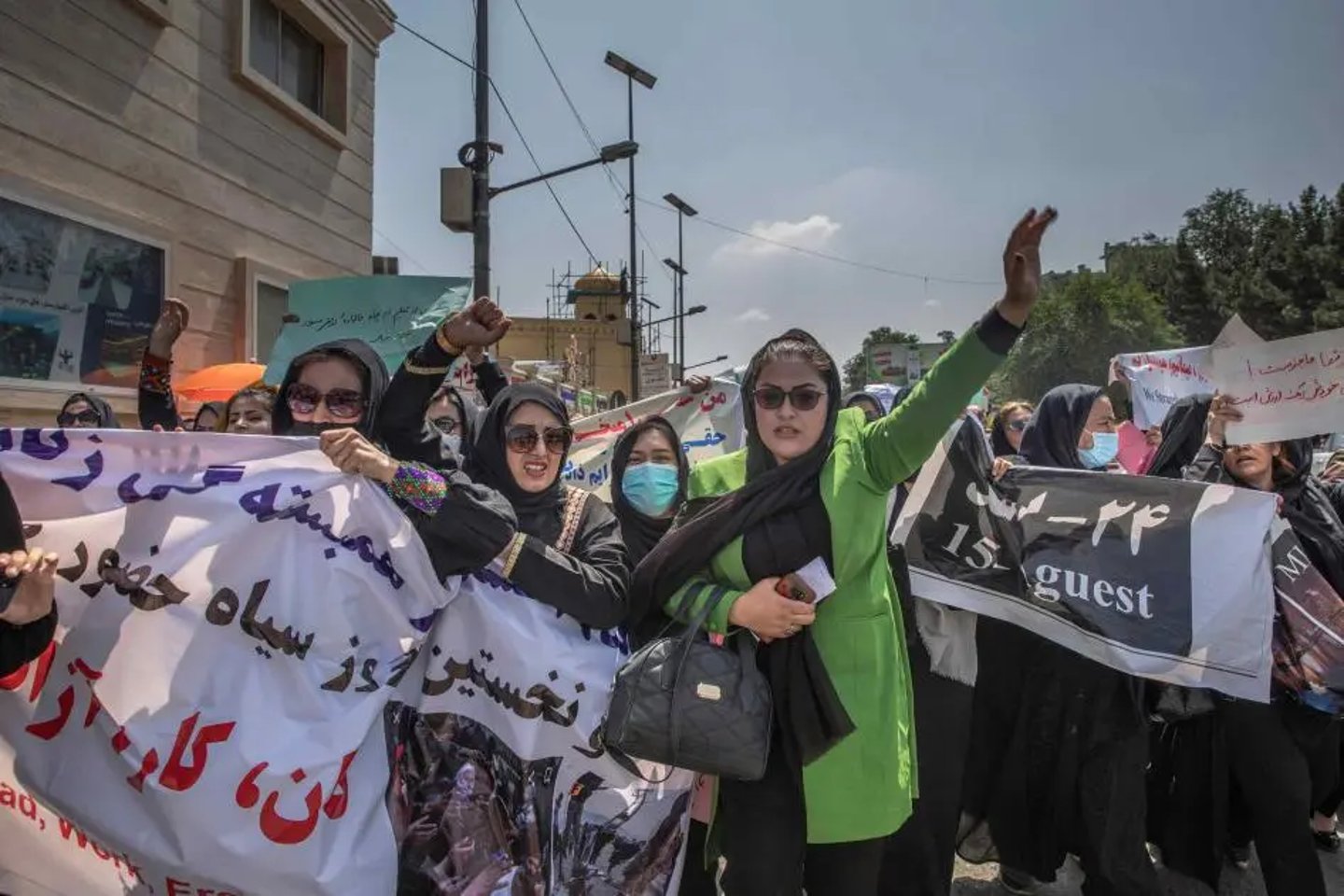
On September 30th, 2022, a suicide bombing targeted the Kaaj Educational Center in the Daste Barchi district of western Kabul, killing 53 students and wounding dozens more. The attack focused on the girls’ section of the examination hall, targeting the Hazara community, a minority in Afghanistan. This was not the first such attack: in 2021, Hazara students were similarly targeted, highlighting the recurring persecution of ethnic minorities.
Protests and Resistance
Following the bombing, Hazara women organized protests demanding justice and the protection of their right to education. Students and activists carried placards reading “Azadi” (freedom) and chanted slogans like “Bread, Work, Freedom,” despite facing retaliation from the Taliban, including beatings, detentions, and abductions. Young activists such as Mosawi and Alizada highlighted the ongoing threat to female education and the broader attempt to silence women through violence.
In Bamyan and Mazar-i-Sharif, students faced additional restrictions as the Taliban blocked campus exits to prevent protests. Despite these measures, many Afghan girls and women continued to mobilize, showing resilience in the face of systemic oppression.


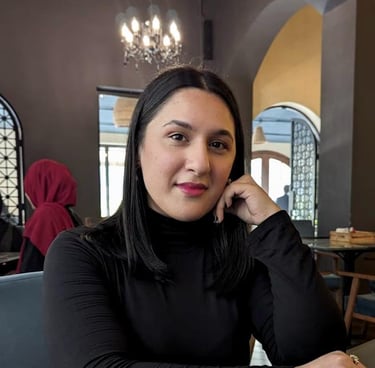
Sarosh Ibrahim
Researcher
October 17, 2022
Picture Courtesy: Human Rights Watch
Impact on Education and Economy
Under Taliban rule, female mobility and access to education have been drastically curtailed, with schools for girls closed shortly after the Taliban takeover in 2021. Denying women access to secondary education has severe economic consequences, estimated at nearly $500 million in losses to the Afghan economy. Women’s participation in public life is limited, with gender segregation enforced in schools and public spaces.
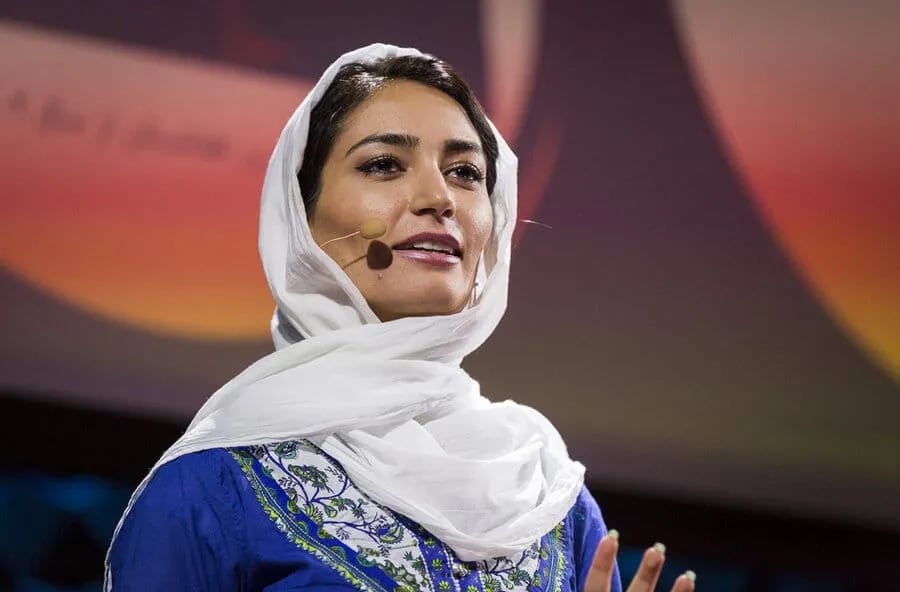
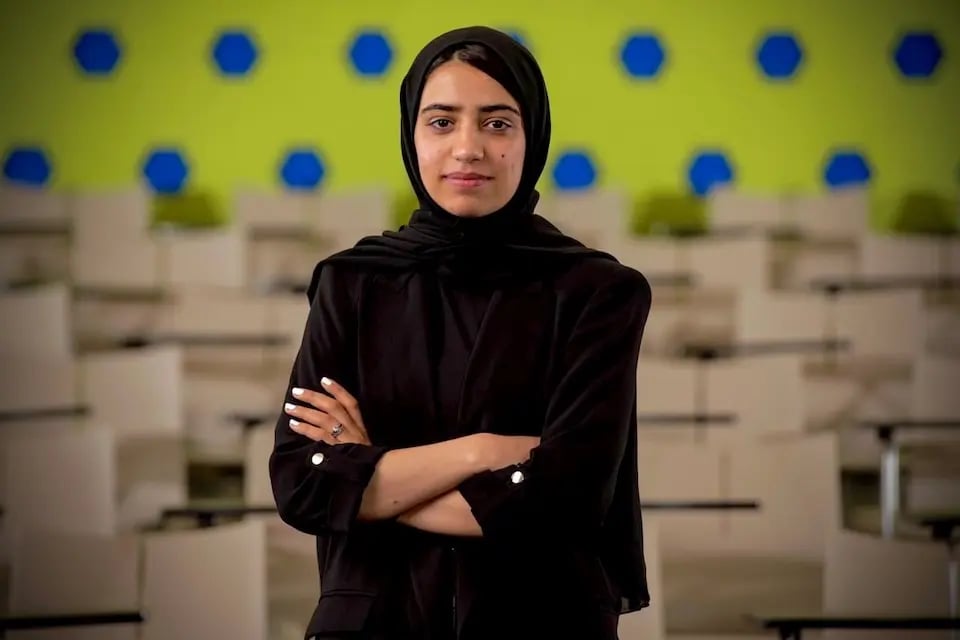
Activists like Fereshteh Forough, founder of Code to Inspire, and Somaya Faruqi, former captain of the Afghan girls’ robotics team, have been instrumental in promoting female education despite restrictions. Forough adapted her school to online learning and managed to conduct entrance exams for 300 girls, while Faruqi spoke at the U.N. Transforming Education Summit, highlighting the empty classrooms and urging global support for Afghan girls’ education.
Grassroots Initiatives
Some Afghan women have taken matters into their own hands to provide learning opportunities. Noor Fatema, for instance, turned her basement in Kabul into a vocational and educational center for women and teenage girls. Using personal funds and donations, she created a safe space where girls could continue their education despite Taliban-imposed restrictions.
International Advocacy
U.S. Secretary of State Anthony Blinken announced the Alliance for Afghan Women’s Economic Resilience, partnering with Boston University to support education and professional opportunities for women in Afghanistan. Diplomats like Rina Amiri, Mahbouba Seraj, Razia Sayad, and Zahra Joya have amplified Afghan women’s voices in journalism, activism, and public forums, highlighting human rights violations and the urgent need for global attention.
Taliban Policy and Human Rights Concerns
Since their return to power in August 2021, the Taliban have restricted female education and professional participation. While primary schools and universities remain open under gender segregation, secondary education for girls is still largely banned. Some Taliban officials’ own daughters study abroad, reflecting inconsistencies in policy enforcement. These restrictions contribute to systemic discrimination, economic loss (up to $1 billion), and widespread social fear, especially among girls who now face uncertainty regarding their futures.
Reflection
Afghan girls’ right to education and public participation is a fundamental human right. The ongoing restrictions imposed by the Taliban have far-reaching consequences, not only for Afghan women but for the country’s economy, political stability, and social progress. It is critical to recognize and support the efforts of Afghan women and activists who continue to resist these violations and advocate for a society where education and freedom are accessible to all.
Somaya Faruqi, former captain of the Afghan girls’ robotics team
Fereshteh Forough, founder of Code to Inspire
© 2025. All rights reserved.


A platform exploring body politics, culture, and identity in Pakistan and beyond.