Breaking the Silence on PCOS in Pakistan
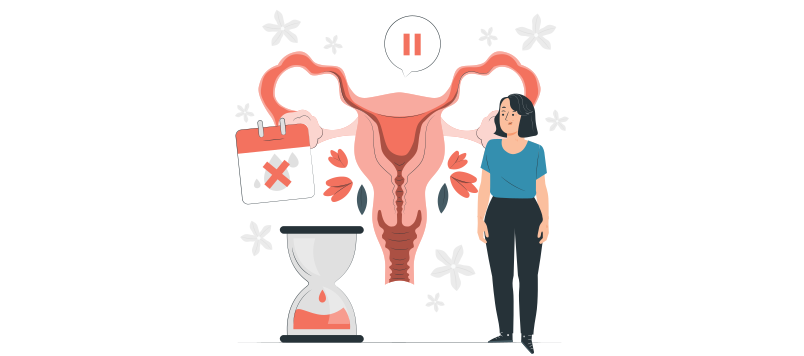
More than half of all women of reproductive age in Pakistan live with a condition that many of them don’t even know they have. It disrupts menstrual cycles, causes weight gain, acne, unwanted facial hair, infertility, and in many cases, depression.
It’s called Polycystic Ovary Syndrome (PCOS). And despite being so common, it remains hidden behind layers of stigma and silence.
An Invisible Epidemic
Globally, PCOS affects an estimated 116 million women. But in Pakistan, the numbers are staggering, research suggests that over 52% of women of reproductive age are affected. That means one in every two women you know.
Yet most girls first hear the word “PCOS” not from schools, not from doctors, but in hushed conversations after years of suffering in silence. Symptoms like irregular periods or facial hair are often dismissed as “normal” or treated as flaws in character or beauty. By the time many women are properly diagnosed, years of physical and emotional damage have already taken place.
Stories from Behind the Silence
The stigma around PCOS becomes clearer when you listen to women’s stories.
Hoorain, a teenager in Karachi, remembers visiting a maternity clinic at 17 after months without her period and noticing facial hair. She sat in a waiting room surrounded by pregnant women, feeling out of place. When the doctor diagnosed her with PCOS, the explanation was given to her aunt, not to her. Hoorain recalls walking out asking herself: “Am I turning into a man?”
Tahira, a young married woman, feared that PCOS would rob her of motherhood. She endured years of painful cycles, secrecy, and blame within her joint family. With her husband’s support and treatment, she eventually gave birth to a baby boy. But she still remembers the isolation and shame more vividly than the medical challenges.
These stories reflect a larger truth: PCOS in Pakistan is not only a health issue, it is a cultural issue. Women are shamed into silence, blamed for infertility, or rejected in marriage proposals, all while carrying a burden that should be met with compassion, not judgment.
The Mental Health Cost
Beyond physical symptoms, PCOS has a devastating impact on mental health. Studies show up to 67% of women with PCOS experience depression.
In a society where beauty standards are unforgiving and womanhood is tied to fertility, living with acne, facial hair, or infertility becomes more than a medical problem. It’s a constant emotional struggle. Many women describe feeling “less of a woman,” or avoiding social settings entirely out of shame.
Why Awareness Matters
PCOS can’t be “cured,” but it can be managed with early detection, lifestyle changes, and medical care. The problem is that most women in Pakistan don’t know what signs to look for.
We need awareness campaigns at the school and college level. Girls must know that irregular periods or sudden weight gain are not just quirks, they could be signs of PCOS. Families need to replace shame with empathy. And healthcare access, especially in rural areas, must improve so women don’t turn to spiritual healers or unqualified practitioners in desperation.
PCOS as a Human Rights Issue
It’s tempting to think of PCOS as only a health problem. But the truth is, it’s also a human rights issue.
Pakistan has one of the highest prevalence rates in the world up to 52% of women of reproductive age, and yet over 70% of cases remain undiagnosed. This silence doesn’t just harm women’s health, it denies them their constitutional rights: the right to life under Article 9, the right to dignity under Article 14, and equality before law under Article 25. Internationally, too, Pakistan is failing its commitments under treaties like CEDAW and the Sustainable Development Goals, both of which call for women’s health and gender equality.
The impacts go far beyond biology. PCOS can mean infertility, obesity, diabetes risk, and cardiovascular disease. But it also brings depression, anxiety, marital breakdowns, financial strain, and even gender-based violence when women are blamed, silenced, or abused.
And yet, despite all of this, PCOS is invisible in Pakistan’s health and legal systems. It’s absent from the National Health Vision, ignored in reproductive health policies, and missing from medical curricula. There are no PCOS clinics, no national awareness campaigns, and no legal protections for women who face infertility-related abuse.
Other countries are moving forward: Australia has national PCOS guidelines, the UK includes it in its Women’s Health Strategy, India screens adolescents for PCOS through school clinics. Pakistan could do the same, if there was political will.
Groups like PCOS Helps are already doing their part by educating young girls and reframing PCOS as an issue of justice and equality. But real change requires systemic action; clinics, curricula, awareness campaigns, and laws that protect women’s dignity.
Because ignoring PCOS is not just medical neglect. It’s structural discrimination.
Breaking the Silence Together
PCOS is not just a medical condition. It’s a social condition shaped by silence, stigma, and cultural expectations. But it doesn’t have to stay that way.
The more we talk about it, the less power shame holds over us. If you have PCOS, know that you’re not alone, millions of women across Pakistan are living the same reality. And if you don’t, but you know someone who does, support them with kindness and empathy.
Because women’s health is not a private shame. It’s a public issue. And breaking the silence is the first step toward healing.
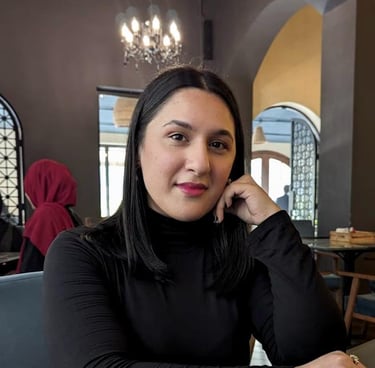
Sarosh Ibrahim
Researcher
September 09, 2025
Photo Courtesy: Fuchsia Magazine
© 2025. All rights reserved.
A platform exploring body politics, culture, and identity in Pakistan and beyond.